



 Chat with AI
Exam 10: Infectious Disease and Epidemiology

Exam 1: What Is Life41 Questions
Exam 2: Where Do We Come From and Where Do We Fit40 Questions
Exam 3: Life Has a Unique Chemistry49 Questions
Exam 4: Organization and Communication46 Questions
Exam 5: Tissues42 Questions
Exam 6: The Skeletomuscular System87 Questions
Exam 7: The Nervous System50 Questions
Exam 8: The Special Senses41 Questions
Exam 9: Immunity and the Lymphatic System58 Questions
Exam 10: Infectious Disease and Epidemiology41 Questions
Exam 11: Cancer46 Questions
Exam 12: The Cardiovascular System49 Questions
Exam 13: The Respiratory System: Movement of Air47 Questions
Exam 14: Nutrition: You Are What You Eat41 Questions
Exam 15: The Digestive System44 Questions
Exam 16: The Urinary System43 Questions
Exam 17: The Endocrine System and Development41 Questions
Exam 18: The Reproductive Systems: Maintaining the Species46 Questions
Exam 19: Pregnancy: Development From Conception to Newborn45 Questions
Exam 20: Inheritance, Genetics, and Molecular Biology41 Questions
Exam 21: Populations Evolve in Ecosystems52 Questions
Select questions type


The United Nations works to vaccinate children in developing nations through:
(Multiple Choice)
4.9/5  (74)
(74) Which of the following is a way bacteria become resistant to antibiotics?
(Multiple Choice)
4.8/5 (76)
(76) Because there is no cure for AIDS,prevention is the key to controlling its spread.
(True/False)
4.9/5 (80)
(80) What is the only virus thus far successfully eradicated from the human population?
(Multiple Choice)
4.8/5 (89)
(89) A cohort control study is which step in the scientific method?
(Multiple Choice)
5.0/5 (69)
(69) The WHO has plans to eradicate this virus using vaccination programs.
(Multiple Choice)
4.9/5 (81)
(81) 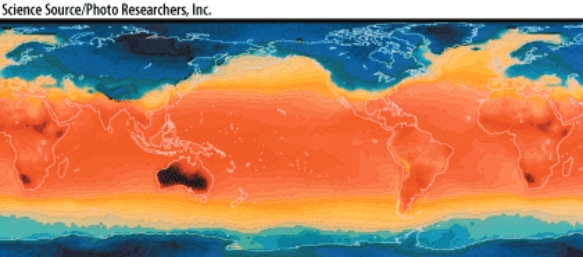
Antibiotics are not as effective at treating bacterial disease as they once were because some strains of bacteria have evolved to resist the action of antibiotics.
(True/False)
5.0/5 (66)
(66) What characteristic is used when classifying a bacterium as bacilli or spirochete?
(Multiple Choice)
4.9/5 (67)
(67) 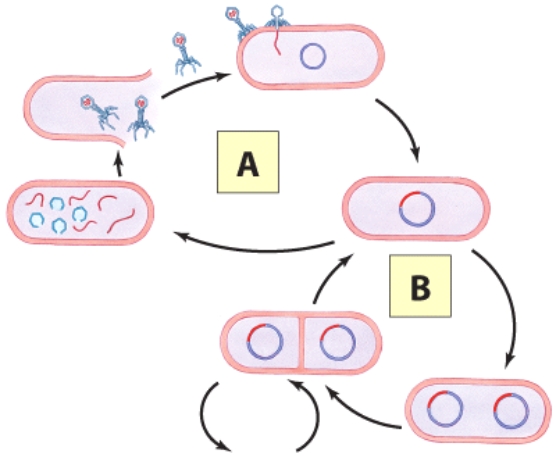
A disease outbreak where the disease is not traditionally found is called:
(Multiple Choice)
4.9/5 (95)
(95) 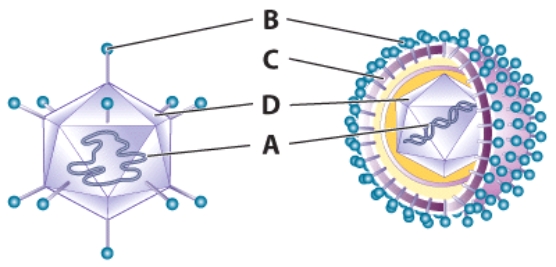
What makes it difficult to control the pathogens shown in the figure? 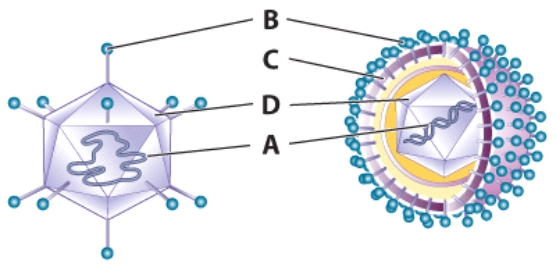
(Multiple Choice)
4.7/5 (86)
(86) 
Filters
- Essay(0)
- Multiple Choice(0)
- Short Answer(0)
- True False(0)
- Matching(0)