



 Chat with AI
Exam 4: Organization and Communication

Exam 1: What Is Life41 Questions
Exam 2: Where Do We Come From and Where Do We Fit40 Questions
Exam 3: Life Has a Unique Chemistry49 Questions
Exam 4: Organization and Communication46 Questions
Exam 5: Tissues42 Questions
Exam 6: The Skeletomuscular System87 Questions
Exam 7: The Nervous System50 Questions
Exam 8: The Special Senses41 Questions
Exam 9: Immunity and the Lymphatic System58 Questions
Exam 10: Infectious Disease and Epidemiology41 Questions
Exam 11: Cancer46 Questions
Exam 12: The Cardiovascular System49 Questions
Exam 13: The Respiratory System: Movement of Air47 Questions
Exam 14: Nutrition: You Are What You Eat41 Questions
Exam 15: The Digestive System44 Questions
Exam 16: The Urinary System43 Questions
Exam 17: The Endocrine System and Development41 Questions
Exam 18: The Reproductive Systems: Maintaining the Species46 Questions
Exam 19: Pregnancy: Development From Conception to Newborn45 Questions
Exam 20: Inheritance, Genetics, and Molecular Biology41 Questions
Exam 21: Populations Evolve in Ecosystems52 Questions
Select questions type


In the diagram of the cell shown here,the organelle responsible for the synthesis of fatty acids and steroid hormones is labeled as: 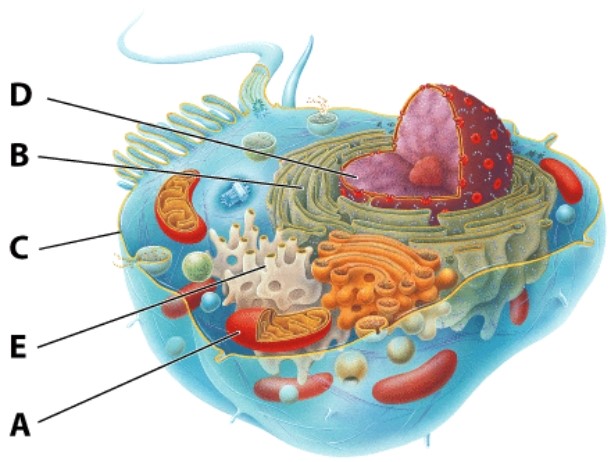
(Multiple Choice)
4.9/5  (83)
(83) In the diagram of the cell shown here,the organelle responsible for ATP production is labeled as: 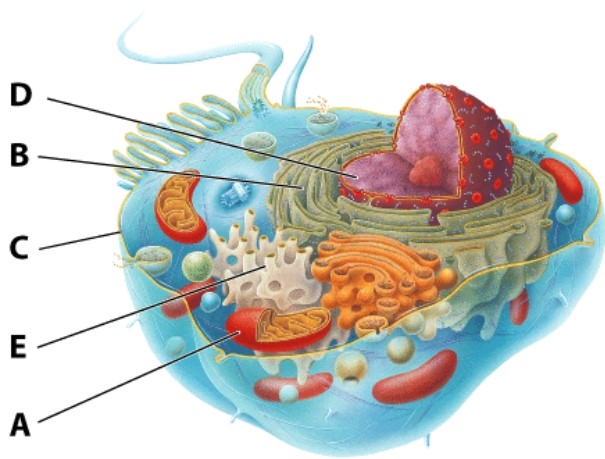
(Multiple Choice)
4.9/5 (80)
(80) What is the function of the part of the cell membrane that the arrow is pointing to below? 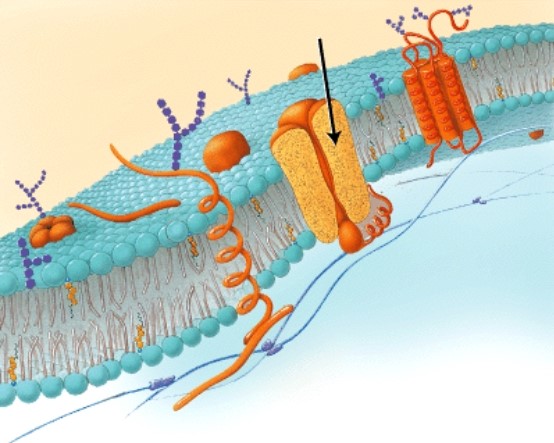
(Multiple Choice)
4.8/5 (73)
(73) 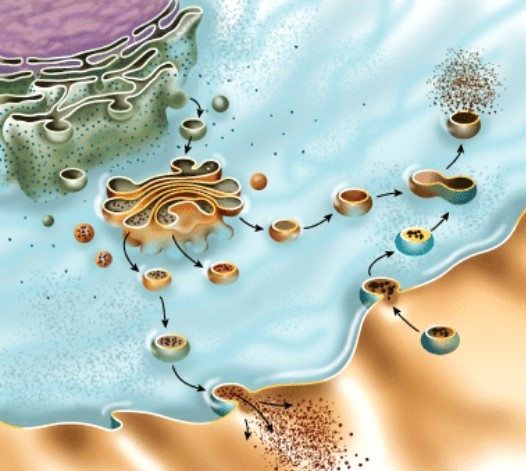
This figure demonstrates the result of placing a cell in a (an)____________ solution. 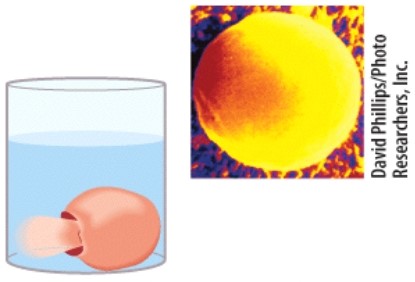
(Multiple Choice)
4.8/5 (83)
(83) The arrow is pointing to the region where the two chromosome arms are held together.This is referred to as the ______. 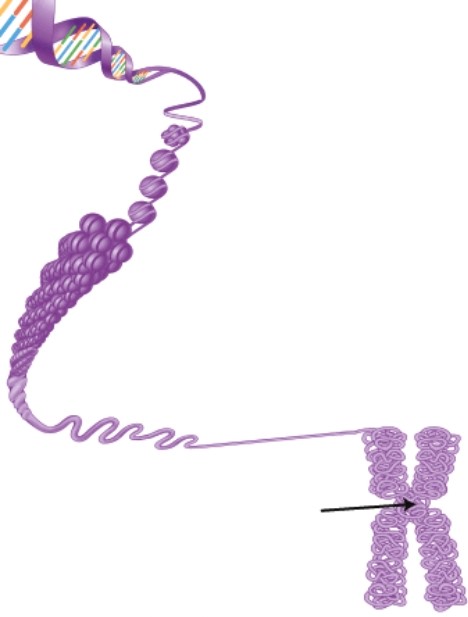
(Multiple Choice)
4.8/5 (74)
(74) 
Filters
- Essay(0)
- Multiple Choice(0)
- Short Answer(0)
- True False(0)
- Matching(0)