



 Chat with AI
Exam 4: The Geography of Language: Locating the Spoken Word

Exam 1: Human Geography: A Cultural Approach192 Questions
Exam 2: Geographies of Cultural Difference: One World or Many183 Questions
Exam 3: Population Geography: Shaping the Human Mosaic229 Questions
Exam 4: The Geography of Language: Locating the Spoken Word211 Questions
Exam 5: Geographies of Race and Ethnicity: Melting Pot or Salad Bowl222 Questions
Exam 6: Political Geography: A Divided World262 Questions
Exam 7: The Geography of Religion: Space and Places of Sacredness278 Questions
Exam 8: The Geography of Agriculture and Food: Shaping the Land, Feeding the World248 Questions
Exam 9: Development Geography: Transforming Landscapes of Well-Being184 Questions
Exam 10: Urban Geography: A World of Cities150 Questions
Select questions type


Speakers of Austronesian languages are now clustered in the Americas.
(True/False)
4.9/5  (73)
(73) Although Canada's official policy is bilingualism, Québec's official language is French.
(True/False)
4.8/5 (78)
(78) 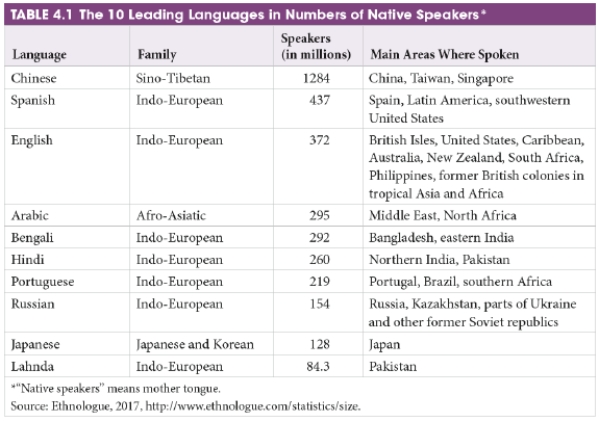 -Note the table's "Main Areas Where Spoken" column. Spanish diffused to South America, English diffused to South Africa, and Portuguese diffused to Brazil primarily as a result of:
 (Multiple Choice)
4.8/5 (69)
(69) Which language was carried to Native Americans via the Alaska Highway?
(Multiple Choice)
4.9/5 (74)
(74) 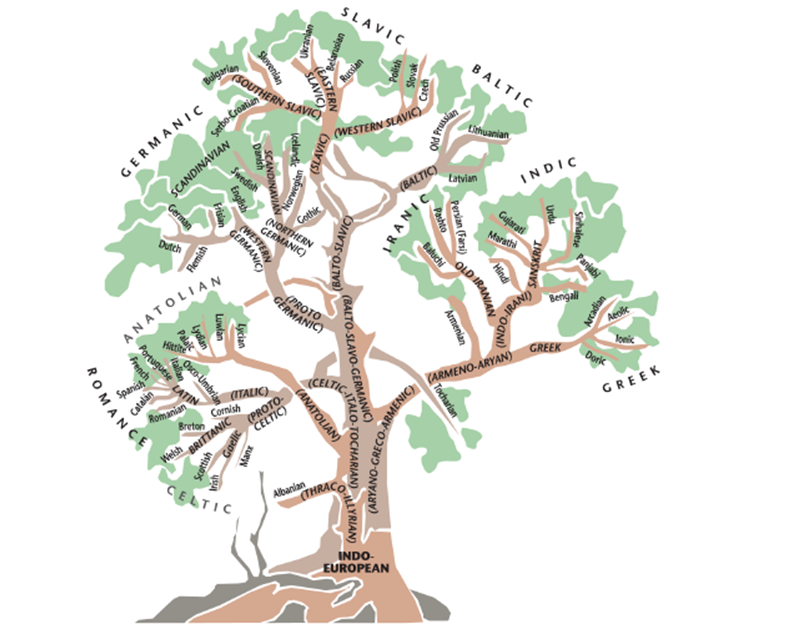 -Following Indo-European, which language family is spoken by the MOST people?
 (Multiple Choice)
4.9/5 (69)
(69) When pidgin languages acquire fuller vocabularies and become the native languages of their speakers, they become:
(Multiple Choice)
4.9/5 (75)
(75)
-Comparing the _____ of various Indo-European tongues reveals their kinship.
-Comparing the _____ of various Indo-European tongues reveals their kinship. (Multiple Choice)
4.9/5 (93)
(93) Which country long suppressed the Kurdish language but has been easing these restrictions as part of its efforts to join the European Union?
(Multiple Choice)
4.9/5 (74)
(74) The native languages of Hungary and Finland are linguistically related.
(True/False)
4.8/5 (100)
(100) 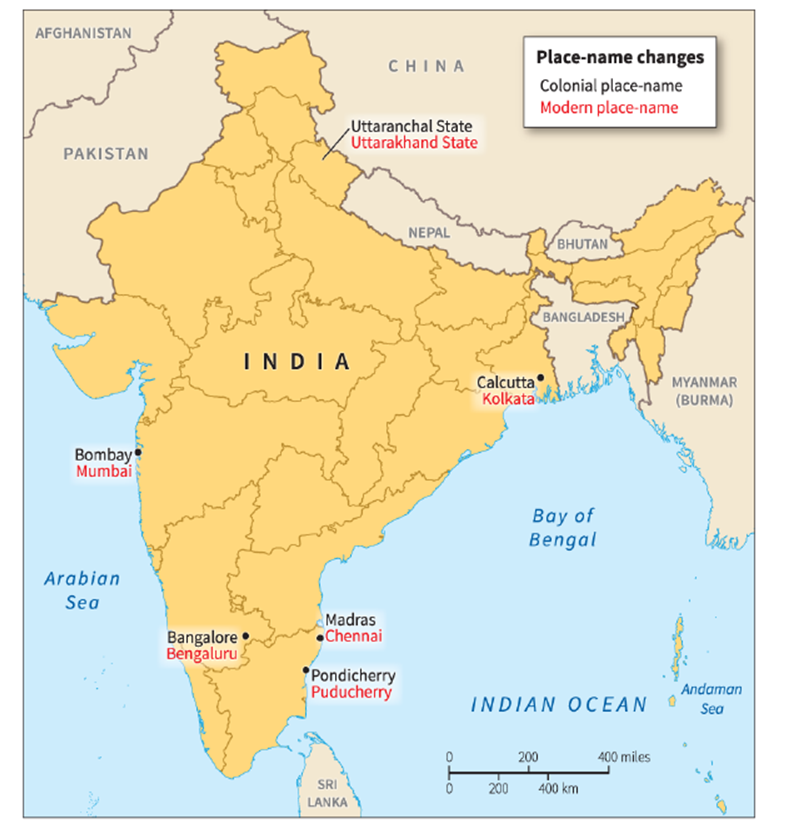 -This figure illustrates shifts in place-names in India as a result of:
 (Multiple Choice)
4.8/5 (62)
(62) _____ percent of all languages have as many as 500,000 speakers.
(Multiple Choice)
4.8/5 (84)
(84) _____ are the new product of different linguistic groups that come into contact with one another, and are characterized by having a small vocabulary derived from the blending of diverse tongues that converge spatially.
(Multiple Choice)
4.7/5 (84)
(84)
-The origin of the Sino-Tibetan language family is thought to be:
-The origin of the Sino-Tibetan language family is thought to be: (Multiple Choice)
4.8/5 (67)
(67) Over which area did China NOT exert control during the Tang dynasty (C.E. 618-907)?
(Multiple Choice)
4.9/5 (76)
(76) 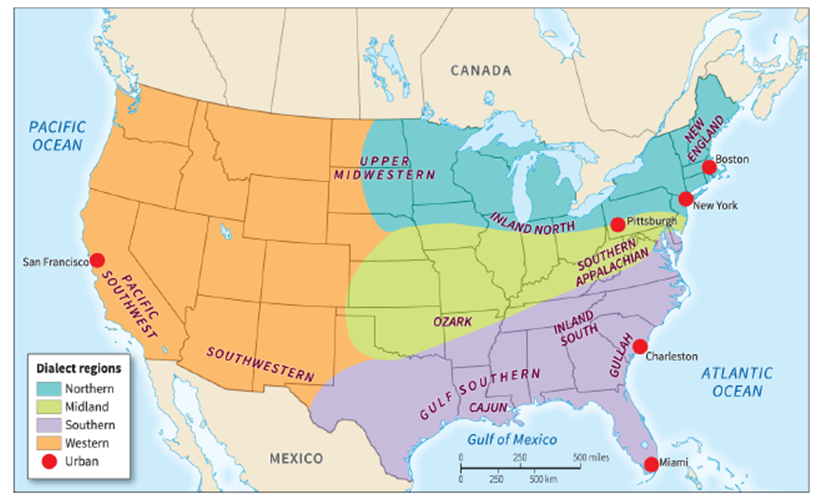 -Based on the map, which statement is likely true?
Into what type of language can a pidgin language evolve as it acquires more words and speakers?
(Multiple Choice)
4.9/5 (77)
(77) Which language survived mainly as the ceremonial language of the Roman Catholic Church and Vatican City?
(Multiple Choice)
4.9/5 (76)
(76)
-Which two languages shown on the family tree do NOT share a common ancestor?
-Which two languages shown on the family tree do NOT share a common ancestor? (Multiple Choice)
5.0/5 (74)
(74) 
Filters
- Essay(0)
- Multiple Choice(0)
- Short Answer(0)
- True False(0)
- Matching(0)