



 Chat with AI
Exam 16: Biochemistry and Biotechnology

Exam 1: Molecular Reasons72 Questions
Exam 2: The Chemists Toolbox78 Questions
Exam 3: Atoms and Elements88 Questions
Exam 4: Molecules, Compounds, and Chemical Reactions83 Questions
Exam 5: Chemical Bonding79 Questions
Exam 6: Organic Chemistry76 Questions
Exam 7: Light and Color66 Questions
Exam 8: Nuclear Chemistry73 Questions
Exam 9: Energy for Today72 Questions
Exam 10: Energy for Tomorrow: Solar and Other Renewable Energy Sources70 Questions
Exam 11: The Air Around Us72 Questions
Exam 12: The Liquids and Solids Around Us: Especially Water75 Questions
Exam 13: Acids and Bases: the Molecules Responsible for Sour and Bitter74 Questions
Exam 14: Oxidation and Reduction71 Questions
Exam 15: The Chemistry of Household Products68 Questions
Exam 16: Biochemistry and Biotechnology71 Questions
Exam 17: Drugs and Medicine: Healing, Helping, and Hurting70 Questions
Exam 18: The Chemistry of Food66 Questions
Exam 19: Nanotechnology Online Only33 Questions
Select questions type


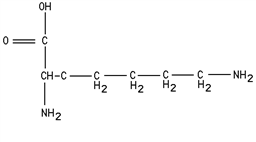

Which of these represent(s) patterns found in the secondary structures of proteins?
I. Alpha helix
II. Globular
III. Pleated sheet
IV. Fibrous
(Multiple Choice)
4.7/5  (71)
(71) A long chain of more than 50 amino acids is known as _____.
(Multiple Choice)
4.8/5 (86)
(86) 
Which of these proteins is an antibacterial agent found in mucus and tears?
(Multiple Choice)
4.8/5 (72)
(72) _____, a structural material of plants and trees, is a common polysaccharide.
(Multiple Choice)
4.9/5 (67)
(67) Which of these quaternary interactions result from acid-base reactions occurring between acidic and basic R groups?
(Multiple Choice)
4.8/5 (82)
(82) Which of these molecules is/are the primary structural component in biomembranes?
(Multiple Choice)
4.9/5 (85)
(85) Which of these represents the three primary components of a nucleotide?
(Multiple Choice)
4.8/5 (87)
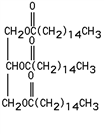
(87) Which of these triglycerides will be a liquid at room temperature?
I. 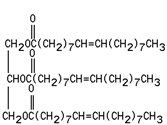 II.
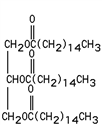 III.
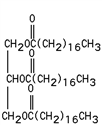 IV.
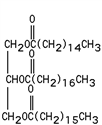
II.
III.
IV.
(Multiple Choice)
4.9/5 (73)
(73) Which of these scientists are credited with discovering the structure of DNA?
(Multiple Choice)
4.8/5 (71)
(71) The process in which DNA unwinds and creates two identical daughter DNA strands is known as _____.
(Multiple Choice)
4.9/5 (91)
(91) Which of these is/are not considered one of the four major types of molecules in a living organism?
(Multiple Choice)
4.9/5 (78)
(78) 
Filters
- Essay(0)
- Multiple Choice(0)
- Short Answer(0)
- True False(0)
- Matching(0)