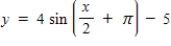
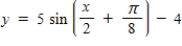
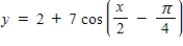
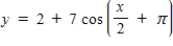
Deck 27: Graphs of Sine and Cosine Functions

Full screen (f)
exit full mode
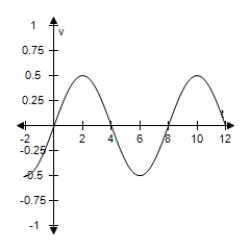
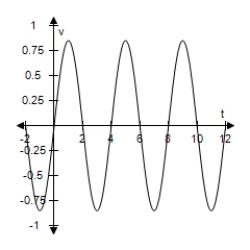
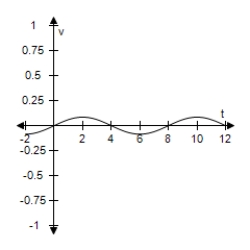
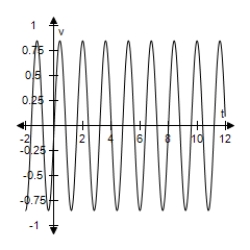
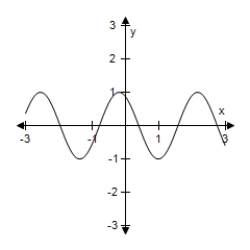
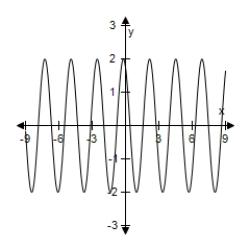
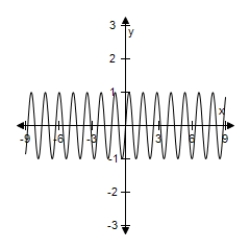
Question
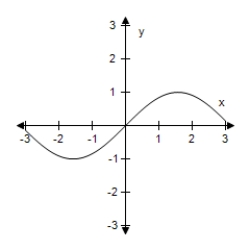
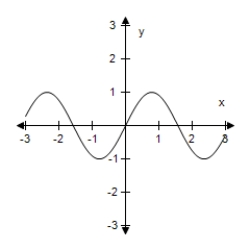
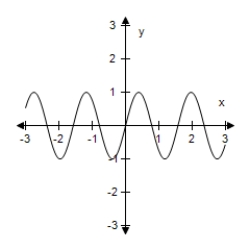
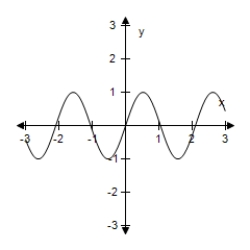
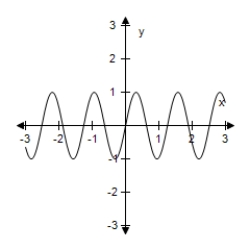
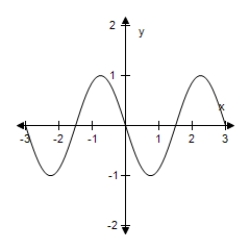
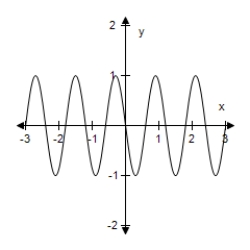
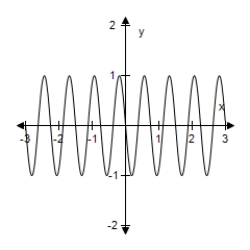
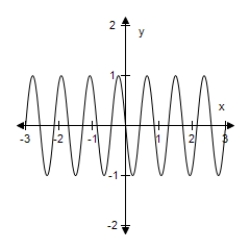
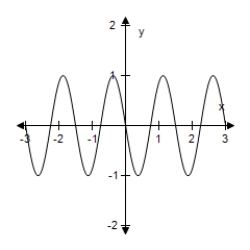
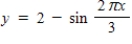
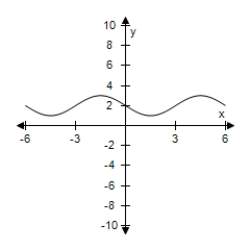
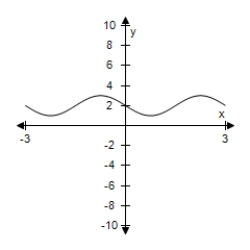
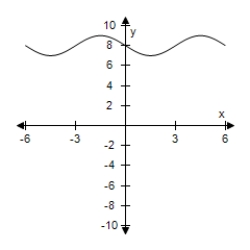
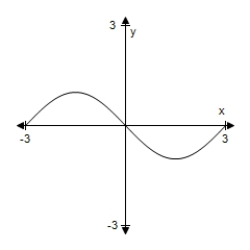
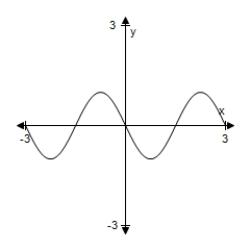
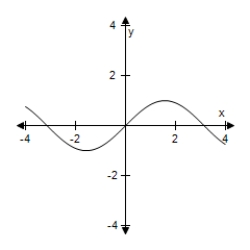
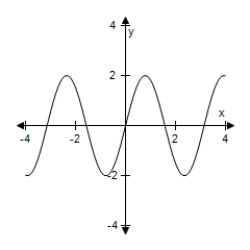
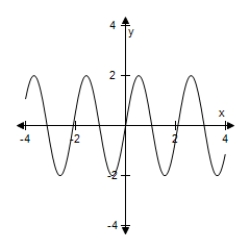
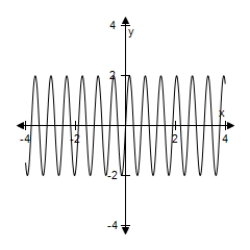
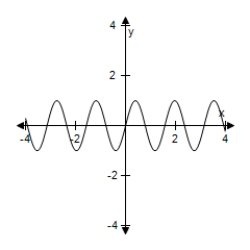
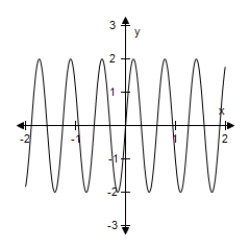
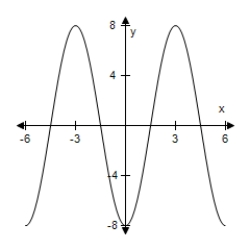
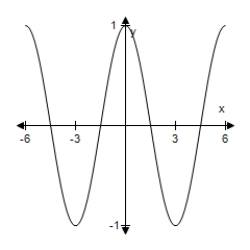
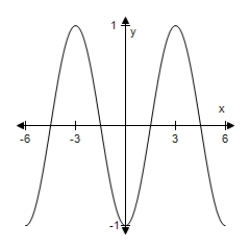
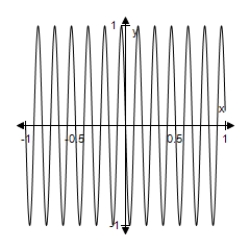
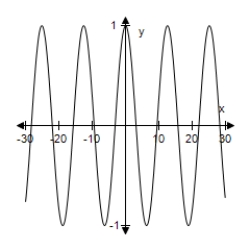
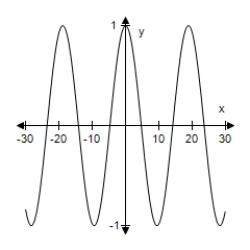
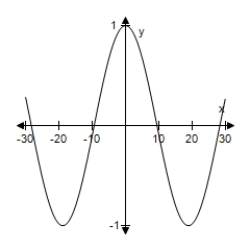
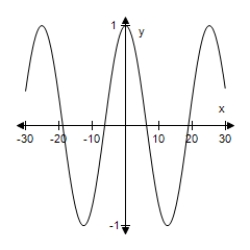
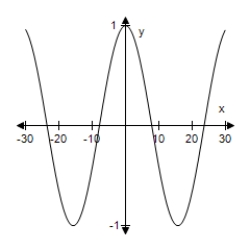
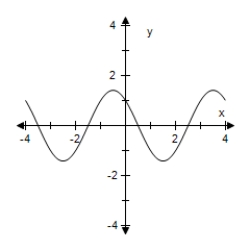
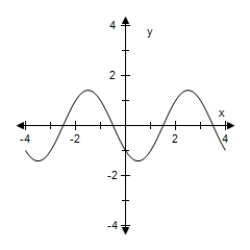
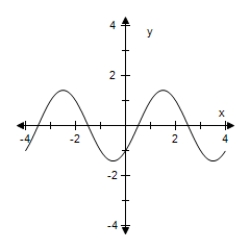
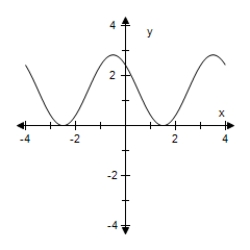
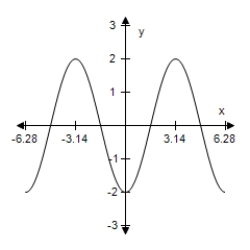
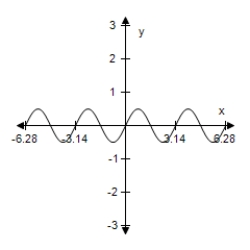
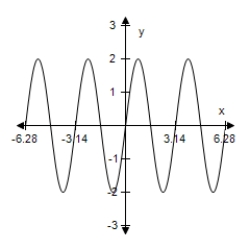
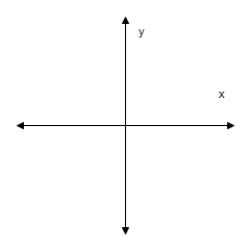
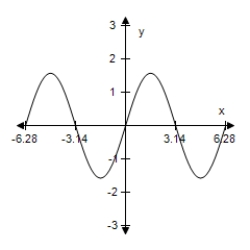
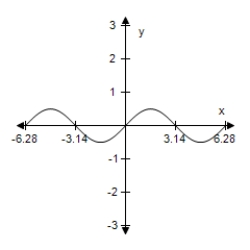
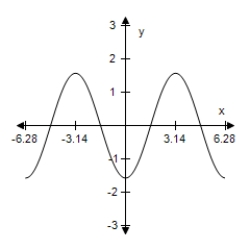
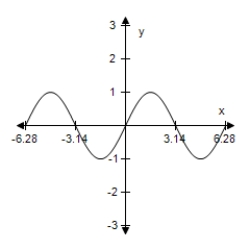
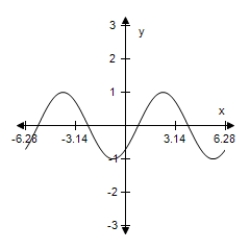
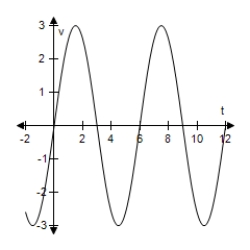
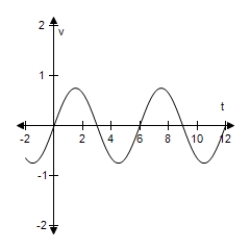
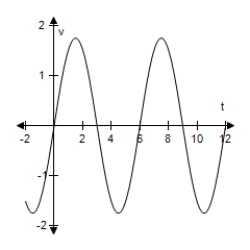
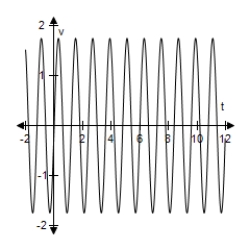
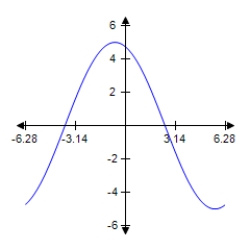
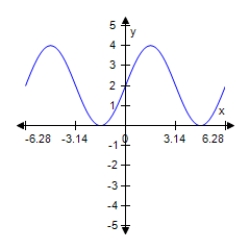
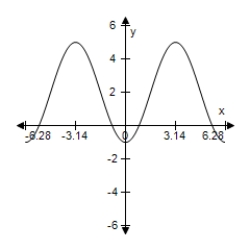
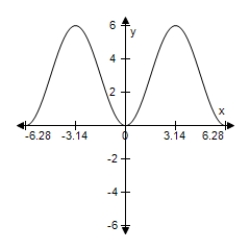
Select the graph of the function.(Include two full periods. ) ​
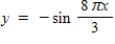
Y = sin 2x
​

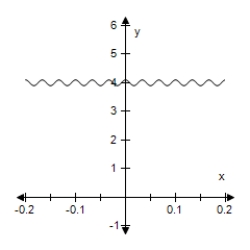
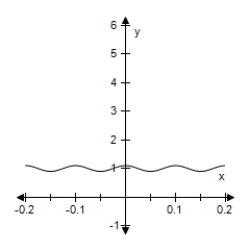
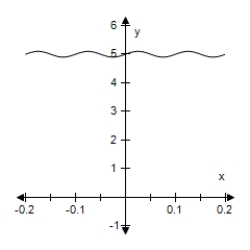
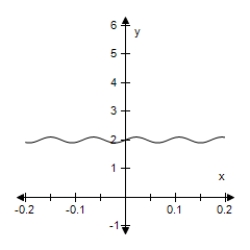
A) <strong>Select the graph of the function.(Include two full periods. ) ​ Y = sin 2x ​</strong> A)   B)   C)   D)   E)   <div style=padding-top: 35px>
B) <strong>Select the graph of the function.(Include two full periods. ) ​ Y = sin 2x ​</strong> A)   B)   C)   D)   E)   <div style=padding-top: 35px>
C) <strong>Select the graph of the function.(Include two full periods. ) ​ Y = sin 2x ​</strong> A)   B)   C)   D)   E)   <div style=padding-top: 35px>
D) <strong>Select the graph of the function.(Include two full periods. ) ​ Y = sin 2x ​</strong> A)   B)   C)   D)   E)   <div style=padding-top: 35px>
E) <strong>Select the graph of the function.(Include two full periods. ) ​ Y = sin 2x ​</strong> A)   B)   C)   D)   E)   <div style=padding-top: 35px>
Use Space or
up arrow
down arrow
to flip the card.
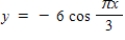
Question
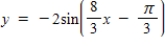
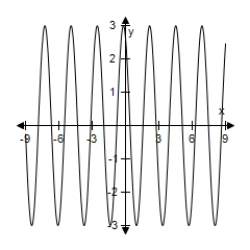
Select the graph of the function.(Include two full periods. )​ <strong>Select the graph of the function.(Include two full periods. )​   ​</strong> A)   B)​   C)   D)   E)   <div style=padding-top: 35px> ​

A) <strong>Select the graph of the function.(Include two full periods. )​   ​</strong> A)   B)​   C)   D)   E)   <div style=padding-top: 35px>
B)​ <strong>Select the graph of the function.(Include two full periods. )​   ​</strong> A)   B)​   C)   D)   E)   <div style=padding-top: 35px>
C) <strong>Select the graph of the function.(Include two full periods. )​   ​</strong> A)   B)​   C)   D)   E)   <div style=padding-top: 35px>
D) <strong>Select the graph of the function.(Include two full periods. )​   ​</strong> A)   B)​   C)   D)   E)   <div style=padding-top: 35px>
E) <strong>Select the graph of the function.(Include two full periods. )​   ​</strong> A)   B)​   C)   D)   E)   <div style=padding-top: 35px>
Question
Find the period and amplitude. ​
Y = 7 sin 40x
​

A)Period: π;Amplitude: -7
B)Period: π;Amplitude: <strong>Find the period and amplitude. ​ Y = 7 sin 40x ​</strong> A)Period: π;Amplitude: -7 B)Period: π;Amplitude:   C)Period:   ;Amplitude:   D)Period: 2π;Amplitude: 1 E)Period:   ;Amplitude: 7 <div style=padding-top: 35px>
C)Period: <strong>Find the period and amplitude. ​ Y = 7 sin 40x ​</strong> A)Period: π;Amplitude: -7 B)Period: π;Amplitude:   C)Period:   ;Amplitude:   D)Period: 2π;Amplitude: 1 E)Period:   ;Amplitude: 7 <div style=padding-top: 35px> ;Amplitude: <strong>Find the period and amplitude. ​ Y = 7 sin 40x ​</strong> A)Period: π;Amplitude: -7 B)Period: π;Amplitude:   C)Period:   ;Amplitude:   D)Period: 2π;Amplitude: 1 E)Period:   ;Amplitude: 7 <div style=padding-top: 35px>
D)Period: 2π;Amplitude: 1
E)Period: <strong>Find the period and amplitude. ​ Y = 7 sin 40x ​</strong> A)Period: π;Amplitude: -7 B)Period: π;Amplitude:   C)Period:   ;Amplitude:   D)Period: 2π;Amplitude: 1 E)Period:   ;Amplitude: 7 <div style=padding-top: 35px> ;Amplitude: 7
Question
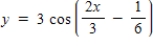
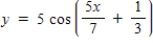
Find the period and amplitude.​ <strong>Find the period and amplitude.​   ​</strong> A)Period: 2π;Amplitude: 1 B)Period:   ;Amplitude:   C)Period: π;Amplitude:   D)Period: π;Amplitude: 5 E)Period:   ;Amplitude:   <div style=padding-top: 35px> ​

A)Period: 2π;Amplitude: 1
B)Period: <strong>Find the period and amplitude.​   ​</strong> A)Period: 2π;Amplitude: 1 B)Period:   ;Amplitude:   C)Period: π;Amplitude:   D)Period: π;Amplitude: 5 E)Period:   ;Amplitude:   <div style=padding-top: 35px> ;Amplitude: <strong>Find the period and amplitude.​   ​</strong> A)Period: 2π;Amplitude: 1 B)Period:   ;Amplitude:   C)Period: π;Amplitude:   D)Period: π;Amplitude: 5 E)Period:   ;Amplitude:   <div style=padding-top: 35px>
C)Period: π;Amplitude: <strong>Find the period and amplitude.​   ​</strong> A)Period: 2π;Amplitude: 1 B)Period:   ;Amplitude:   C)Period: π;Amplitude:   D)Period: π;Amplitude: 5 E)Period:   ;Amplitude:   <div style=padding-top: 35px>
D)Period: π;Amplitude: 5
E)Period: <strong>Find the period and amplitude.​   ​</strong> A)Period: 2π;Amplitude: 1 B)Period:   ;Amplitude:   C)Period: π;Amplitude:   D)Period: π;Amplitude: 5 E)Period:   ;Amplitude:   <div style=padding-top: 35px> ;Amplitude: <strong>Find the period and amplitude.​   ​</strong> A)Period: 2π;Amplitude: 1 B)Period:   ;Amplitude:   C)Period: π;Amplitude:   D)Period: π;Amplitude: 5 E)Period:   ;Amplitude:   <div style=padding-top: 35px>
Question
Write an equation for the function that is described by the given characteristics. ​
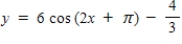
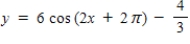
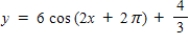
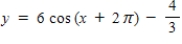
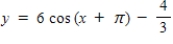
A cosine curve with a period of π,an amplitude of 6,a left phase shift of π,and a vertical translation down <strong>Write an equation for the function that is described by the given characteristics. ​ A cosine curve with a period of π,an amplitude of 6,a left phase shift of π,and a vertical translation down   units. ​</strong> A)   B)   C)   D)   E)   <div style=padding-top: 35px> units.
​

A) <strong>Write an equation for the function that is described by the given characteristics. ​ A cosine curve with a period of π,an amplitude of 6,a left phase shift of π,and a vertical translation down   units. ​</strong> A)   B)   C)   D)   E)   <div style=padding-top: 35px>
B) <strong>Write an equation for the function that is described by the given characteristics. ​ A cosine curve with a period of π,an amplitude of 6,a left phase shift of π,and a vertical translation down   units. ​</strong> A)   B)   C)   D)   E)   <div style=padding-top: 35px>
C) <strong>Write an equation for the function that is described by the given characteristics. ​ A cosine curve with a period of π,an amplitude of 6,a left phase shift of π,and a vertical translation down   units. ​</strong> A)   B)   C)   D)   E)   <div style=padding-top: 35px>
D) <strong>Write an equation for the function that is described by the given characteristics. ​ A cosine curve with a period of π,an amplitude of 6,a left phase shift of π,and a vertical translation down   units. ​</strong> A)   B)   C)   D)   E)   <div style=padding-top: 35px>
E) <strong>Write an equation for the function that is described by the given characteristics. ​ A cosine curve with a period of π,an amplitude of 6,a left phase shift of π,and a vertical translation down   units. ​</strong> A)   B)   C)   D)   E)   <div style=padding-top: 35px>
Question
Find the period and amplitude.​ <strong>Find the period and amplitude.​   ​</strong> A)Period: 1;Amplitude:   B)Period: π;Amplitude:   C)Period: 2π;Amplitude: 1 D)Period:   ;Amplitude:   E)Period: π;Amplitude: 5 <div style=padding-top: 35px> ​

A)Period: 1;Amplitude: <strong>Find the period and amplitude.​   ​</strong> A)Period: 1;Amplitude:   B)Period: π;Amplitude:   C)Period: 2π;Amplitude: 1 D)Period:   ;Amplitude:   E)Period: π;Amplitude: 5 <div style=padding-top: 35px>
B)Period: π;Amplitude: <strong>Find the period and amplitude.​   ​</strong> A)Period: 1;Amplitude:   B)Period: π;Amplitude:   C)Period: 2π;Amplitude: 1 D)Period:   ;Amplitude:   E)Period: π;Amplitude: 5 <div style=padding-top: 35px>
C)Period: 2π;Amplitude: 1
D)Period: <strong>Find the period and amplitude.​   ​</strong> A)Period: 1;Amplitude:   B)Period: π;Amplitude:   C)Period: 2π;Amplitude: 1 D)Period:   ;Amplitude:   E)Period: π;Amplitude: 5 <div style=padding-top: 35px> ;Amplitude: <strong>Find the period and amplitude.​   ​</strong> A)Period: 1;Amplitude:   B)Period: π;Amplitude:   C)Period: 2π;Amplitude: 1 D)Period:   ;Amplitude:   E)Period: π;Amplitude: 5 <div style=padding-top: 35px>
E)Period: π;Amplitude: 5
Question
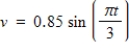
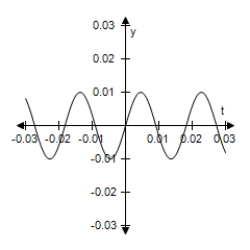
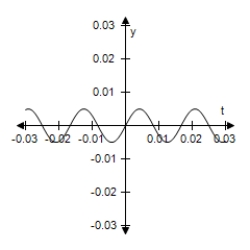
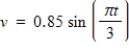
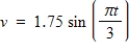
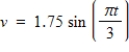
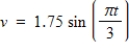
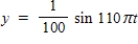
For a person at rest,the velocity v (in liters per second)of airflow during a respiratory cycle (the time from the beginning of one breath to the beginning of the next)is given by​ <strong>For a person at rest,the velocity v (in liters per second)of airflow during a respiratory cycle (the time from the beginning of one breath to the beginning of the next)is given by​   , ​ Where t is the time (in seconds). (Inhalation occurs when v > 0 and exhalation occurs when v < 0. ) ​ Find the number of cycles per minute. ​</strong> A)14 cycles/min B)11 cycles/min C)10 cycles/min D)15 cycles/min E)12 cycles/min <div style=padding-top: 35px> , ​
Where t is the time (in seconds).
(Inhalation occurs when v > 0 and exhalation occurs when v < 0. )
​
Find the number of cycles per minute.
​

A)14 cycles/min
B)11 cycles/min
C)10 cycles/min
D)15 cycles/min
E)12 cycles/min
Question
Use a graphing utility to select the graph of the function.Include two full periods.​ <strong>Use a graphing utility to select the graph of the function.Include two full periods.​   ​</strong> A)​   B)   C)   D)   E)   <div style=padding-top: 35px> ​

A)​ <strong>Use a graphing utility to select the graph of the function.Include two full periods.​   ​</strong> A)​   B)   C)   D)   E)   <div style=padding-top: 35px>
B) <strong>Use a graphing utility to select the graph of the function.Include two full periods.​   ​</strong> A)​   B)   C)   D)   E)   <div style=padding-top: 35px>
C) <strong>Use a graphing utility to select the graph of the function.Include two full periods.​   ​</strong> A)​   B)   C)   D)   E)   <div style=padding-top: 35px>
D) <strong>Use a graphing utility to select the graph of the function.Include two full periods.​   ​</strong> A)​   B)   C)   D)   E)   <div style=padding-top: 35px>
E) <strong>Use a graphing utility to select the graph of the function.Include two full periods.​   ​</strong> A)​   B)   C)   D)   E)   <div style=padding-top: 35px>
Question
Find the period and amplitude. ​
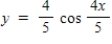
Y = -7 sin x
​

A)Period: π;Amplitude: -7
B)Period: π;Amplitude: <strong>Find the period and amplitude. ​ Y = -7 sin x ​</strong> A)Period: π;Amplitude: -7 B)Period: π;Amplitude:   C)Period: 2π;Amplitude: 7 D)Period: 2π;Amplitude:   E)Period: 2π;Amplitude: 1 <div style=padding-top: 35px>
C)Period: 2π;Amplitude: 7
D)Period: 2π;Amplitude: <strong>Find the period and amplitude. ​ Y = -7 sin x ​</strong> A)Period: π;Amplitude: -7 B)Period: π;Amplitude:   C)Period: 2π;Amplitude: 7 D)Period: 2π;Amplitude:   E)Period: 2π;Amplitude: 1 <div style=padding-top: 35px>
E)Period: 2π;Amplitude: 1
Question
Select the graph of the function.(Include two full periods. )​ <strong>Select the graph of the function.(Include two full periods. )​   ​</strong> A)   B)   C)   D)   E)   <div style=padding-top: 35px> ​

A) <strong>Select the graph of the function.(Include two full periods. )​   ​</strong> A)   B)   C)   D)   E)   <div style=padding-top: 35px>
B) <strong>Select the graph of the function.(Include two full periods. )​   ​</strong> A)   B)   C)   D)   E)   <div style=padding-top: 35px>
C) <strong>Select the graph of the function.(Include two full periods. )​   ​</strong> A)   B)   C)   D)   E)   <div style=padding-top: 35px>
D) <strong>Select the graph of the function.(Include two full periods. )​   ​</strong> A)   B)   C)   D)   E)   <div style=padding-top: 35px>
E) <strong>Select the graph of the function.(Include two full periods. )​   ​</strong> A)   B)   C)   D)   E)   <div style=padding-top: 35px>
Question
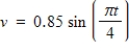
For a person at rest,the velocity v (in liters per second)of airflow during a respiratory cycle (the time from the beginning of one breath to the beginning of the next)is given by​ <strong>For a person at rest,the velocity v (in liters per second)of airflow during a respiratory cycle (the time from the beginning of one breath to the beginning of the next)is given by​   , ​ Where t is the time (in seconds). (Inhalation occurs when v > 0,and exhalation occurs when v < 0. ) ​ Find the time for one full respiratory cycle. ​</strong> A)7 sec B)9 sec C)3 sec D)8 sec E)6 sec <div style=padding-top: 35px> , ​
Where t is the time (in seconds).
(Inhalation occurs when v > 0,and exhalation occurs when v < 0. )
​
Find the time for one full respiratory cycle.
​

A)7 sec
B)9 sec
C)3 sec
D)8 sec
E)6 sec
Question
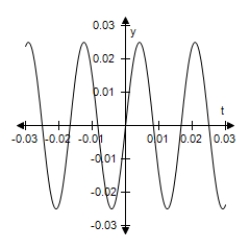
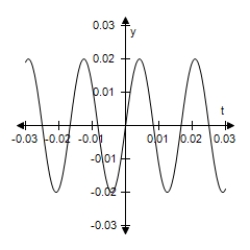
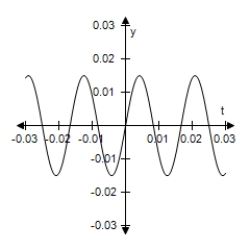
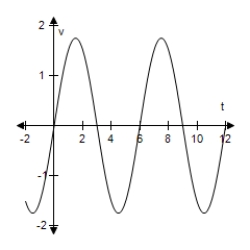
For a person at rest,the velocity v (in liters per second)of airflow during a respiratory cycle (the time from the beginning of one breath to the beginning of the next)is given by​ <strong>For a person at rest,the velocity v (in liters per second)of airflow during a respiratory cycle (the time from the beginning of one breath to the beginning of the next)is given by​   , ​ Where t is the time (in seconds). (Inhalation occurs when v > 0 and exhalation occurs when v < 0. ) Select the graph of this velocity function. ​</strong> A)   B)   C)   D)   E)   <div style=padding-top: 35px> , ​
Where t is the time (in seconds).
(Inhalation occurs when v > 0 and exhalation occurs when v < 0. )
Select the graph of this velocity function.
​

A) <strong>For a person at rest,the velocity v (in liters per second)of airflow during a respiratory cycle (the time from the beginning of one breath to the beginning of the next)is given by​   , ​ Where t is the time (in seconds). (Inhalation occurs when v > 0 and exhalation occurs when v < 0. ) Select the graph of this velocity function. ​</strong> A)   B)   C)   D)   E)   <div style=padding-top: 35px>
B) <strong>For a person at rest,the velocity v (in liters per second)of airflow during a respiratory cycle (the time from the beginning of one breath to the beginning of the next)is given by​   , ​ Where t is the time (in seconds). (Inhalation occurs when v > 0 and exhalation occurs when v < 0. ) Select the graph of this velocity function. ​</strong> A)   B)   C)   D)   E)   <div style=padding-top: 35px>
C) <strong>For a person at rest,the velocity v (in liters per second)of airflow during a respiratory cycle (the time from the beginning of one breath to the beginning of the next)is given by​   , ​ Where t is the time (in seconds). (Inhalation occurs when v > 0 and exhalation occurs when v < 0. ) Select the graph of this velocity function. ​</strong> A)   B)   C)   D)   E)   <div style=padding-top: 35px>
D) <strong>For a person at rest,the velocity v (in liters per second)of airflow during a respiratory cycle (the time from the beginning of one breath to the beginning of the next)is given by​   , ​ Where t is the time (in seconds). (Inhalation occurs when v > 0 and exhalation occurs when v < 0. ) Select the graph of this velocity function. ​</strong> A)   B)   C)   D)   E)   <div style=padding-top: 35px>
E) <strong>For a person at rest,the velocity v (in liters per second)of airflow during a respiratory cycle (the time from the beginning of one breath to the beginning of the next)is given by​   , ​ Where t is the time (in seconds). (Inhalation occurs when v > 0 and exhalation occurs when v < 0. ) Select the graph of this velocity function. ​</strong> A)   B)   C)   D)   E)   <div style=padding-top: 35px>
Question
Use a graphing utility to select the graph of the function.Include two full periods. ​
Y = -2 sin (2x + π)
​

A) <strong>Use a graphing utility to select the graph of the function.Include two full periods. ​ Y = -2 sin (2x + π) ​</strong> A)   B)   C)   D)   E)   <div style=padding-top: 35px>
B) <strong>Use a graphing utility to select the graph of the function.Include two full periods. ​ Y = -2 sin (2x + π) ​</strong> A)   B)   C)   D)   E)   <div style=padding-top: 35px>
C) <strong>Use a graphing utility to select the graph of the function.Include two full periods. ​ Y = -2 sin (2x + π) ​</strong> A)   B)   C)   D)   E)   <div style=padding-top: 35px>
D) <strong>Use a graphing utility to select the graph of the function.Include two full periods. ​ Y = -2 sin (2x + π) ​</strong> A)   B)   C)   D)   E)   <div style=padding-top: 35px>
E) <strong>Use a graphing utility to select the graph of the function.Include two full periods. ​ Y = -2 sin (2x + π) ​</strong> A)   B)   C)   D)   E)   <div style=padding-top: 35px>
Question
Use a graphing utility to select the graph of the function.Include two full periods. <strong>Use a graphing utility to select the graph of the function.Include two full periods.   ​</strong> A)   B)   C)​   D)   E)   <div style=padding-top: 35px> ​

A) <strong>Use a graphing utility to select the graph of the function.Include two full periods.   ​</strong> A)   B)   C)​   D)   E)   <div style=padding-top: 35px>
B) <strong>Use a graphing utility to select the graph of the function.Include two full periods.   ​</strong> A)   B)   C)​   D)   E)   <div style=padding-top: 35px>
C)​ <strong>Use a graphing utility to select the graph of the function.Include two full periods.   ​</strong> A)   B)   C)​   D)   E)   <div style=padding-top: 35px>
D) <strong>Use a graphing utility to select the graph of the function.Include two full periods.   ​</strong> A)   B)   C)​   D)   E)   <div style=padding-top: 35px>
E) <strong>Use a graphing utility to select the graph of the function.Include two full periods.   ​</strong> A)   B)   C)​   D)   E)   <div style=padding-top: 35px>
Question
Select the graph of the function.(Include two full periods. )​ <strong>Select the graph of the function.(Include two full periods. )​   ​</strong> A)   B)   C)   D)   E)   <div style=padding-top: 35px> ​

A) <strong>Select the graph of the function.(Include two full periods. )​   ​</strong> A)   B)   C)   D)   E)   <div style=padding-top: 35px>
B) <strong>Select the graph of the function.(Include two full periods. )​   ​</strong> A)   B)   C)   D)   E)   <div style=padding-top: 35px>
C) <strong>Select the graph of the function.(Include two full periods. )​   ​</strong> A)   B)   C)   D)   E)   <div style=padding-top: 35px>
D) <strong>Select the graph of the function.(Include two full periods. )​   ​</strong> A)   B)   C)   D)   E)   <div style=padding-top: 35px>
E) <strong>Select the graph of the function.(Include two full periods. )​   ​</strong> A)   B)   C)   D)   E)   <div style=padding-top: 35px>
Question
Write an equation for the function that is described by the given characteristics. ​
A sine curve with a period of π,an amplitude of 4,a right phase shift of <strong>Write an equation for the function that is described by the given characteristics. ​ A sine curve with a period of π,an amplitude of 4,a right phase shift of   ,and a vertical translation up 7 units. ​</strong> A)y = 10 + 4 sin (2x + π) B)y = 7 + 4 sin (2x - π) C)​y = 9 - 4 sin (2x + π) D)y = 8 + 4 sin (- 2x - π) E)y = 11 + 7 sin (2x - π) <div style=padding-top: 35px> ,and a vertical translation up 7 units.
​

A)y = 10 + 4 sin (2x + π)
B)y = 7 + 4 sin (2x - π)
C)​y = 9 - 4 sin (2x + π)
D)y = 8 + 4 sin (- 2x - π)
E)y = 11 + 7 sin (2x - π)
Question
Write an equation for the function that is described by the given characteristics. ​
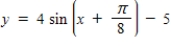
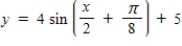
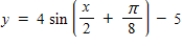
A sine curve with a period of 4π,an amplitude of 4,a left phase shift of <strong>Write an equation for the function that is described by the given characteristics. ​ A sine curve with a period of 4π,an amplitude of 4,a left phase shift of   ,and a vertical translation down 5 units. ​</strong> A)   B)   C)   D)   E)   <div style=padding-top: 35px> ,and a vertical translation down 5 units.
​

A) <strong>Write an equation for the function that is described by the given characteristics. ​ A sine curve with a period of 4π,an amplitude of 4,a left phase shift of   ,and a vertical translation down 5 units. ​</strong> A)   B)   C)   D)   E)   <div style=padding-top: 35px>
B) <strong>Write an equation for the function that is described by the given characteristics. ​ A sine curve with a period of 4π,an amplitude of 4,a left phase shift of   ,and a vertical translation down 5 units. ​</strong> A)   B)   C)   D)   E)   <div style=padding-top: 35px>
C) <strong>Write an equation for the function that is described by the given characteristics. ​ A sine curve with a period of 4π,an amplitude of 4,a left phase shift of   ,and a vertical translation down 5 units. ​</strong> A)   B)   C)   D)   E)   <div style=padding-top: 35px>
D) <strong>Write an equation for the function that is described by the given characteristics. ​ A sine curve with a period of 4π,an amplitude of 4,a left phase shift of   ,and a vertical translation down 5 units. ​</strong> A)   B)   C)   D)   E)   <div style=padding-top: 35px>
E) <strong>Write an equation for the function that is described by the given characteristics. ​ A sine curve with a period of 4π,an amplitude of 4,a left phase shift of   ,and a vertical translation down 5 units. ​</strong> A)   B)   C)   D)   E)   <div style=padding-top: 35px>
Question
Write an equation for the function that is described by the given characteristics. ​
A cosine curve with a period of 4π,an amplitude of 7,a right phase shift of <strong>Write an equation for the function that is described by the given characteristics. ​ A cosine curve with a period of 4π,an amplitude of 7,a right phase shift of   ,and a vertical translation up 2 units. ​</strong> A)   B)   C)   D)   E)   <div style=padding-top: 35px> ,and a vertical translation up 2 units.
​

A) <strong>Write an equation for the function that is described by the given characteristics. ​ A cosine curve with a period of 4π,an amplitude of 7,a right phase shift of   ,and a vertical translation up 2 units. ​</strong> A)   B)   C)   D)   E)   <div style=padding-top: 35px>
B) <strong>Write an equation for the function that is described by the given characteristics. ​ A cosine curve with a period of 4π,an amplitude of 7,a right phase shift of   ,and a vertical translation up 2 units. ​</strong> A)   B)   C)   D)   E)   <div style=padding-top: 35px>
C) <strong>Write an equation for the function that is described by the given characteristics. ​ A cosine curve with a period of 4π,an amplitude of 7,a right phase shift of   ,and a vertical translation up 2 units. ​</strong> A)   B)   C)   D)   E)   <div style=padding-top: 35px>
D) <strong>Write an equation for the function that is described by the given characteristics. ​ A cosine curve with a period of 4π,an amplitude of 7,a right phase shift of   ,and a vertical translation up 2 units. ​</strong> A)   B)   C)   D)   E)   <div style=padding-top: 35px>
E) <strong>Write an equation for the function that is described by the given characteristics. ​ A cosine curve with a period of 4π,an amplitude of 7,a right phase shift of   ,and a vertical translation up 2 units. ​</strong> A)   B)   C)   D)   E)   <div style=padding-top: 35px>
Question
Select the graph of the function.(Include two full periods. )​ <strong>Select the graph of the function.(Include two full periods. )​   ​</strong> A)   B)   C)   D)   E)   <div style=padding-top: 35px> ​

A) <strong>Select the graph of the function.(Include two full periods. )​   ​</strong> A)   B)   C)   D)   E)   <div style=padding-top: 35px>
B) <strong>Select the graph of the function.(Include two full periods. )​   ​</strong> A)   B)   C)   D)   E)   <div style=padding-top: 35px>
C) <strong>Select the graph of the function.(Include two full periods. )​   ​</strong> A)   B)   C)   D)   E)   <div style=padding-top: 35px>
D) <strong>Select the graph of the function.(Include two full periods. )​   ​</strong> A)   B)   C)   D)   E)   <div style=padding-top: 35px>
E) <strong>Select the graph of the function.(Include two full periods. )​   ​</strong> A)   B)   C)   D)   E)   <div style=padding-top: 35px>
Question
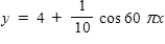
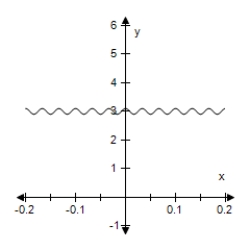
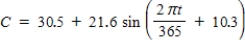
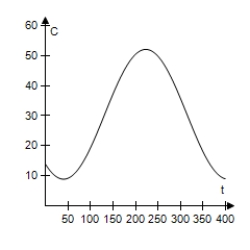
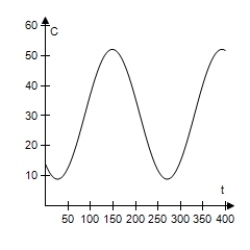
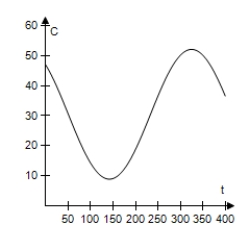
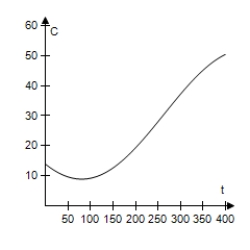
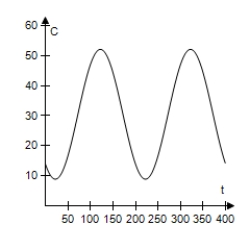
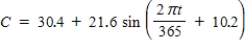
The daily consumption C (in gallons)of diesel fuel on a farm is modeled by​ <strong>The daily consumption C (in gallons)of diesel fuel on a farm is modeled by​   , ​ Where t is the time (in days),with t = 1 corresponding to January 1. Use a graphing utility to select the graph of the model. ​</strong> A)   B)   C)   D)   E)   <div style=padding-top: 35px> , ​
Where t is the time (in days),with t = 1 corresponding to January 1.
Use a graphing utility to select the graph of the model.
​

A) <strong>The daily consumption C (in gallons)of diesel fuel on a farm is modeled by​   , ​ Where t is the time (in days),with t = 1 corresponding to January 1. Use a graphing utility to select the graph of the model. ​</strong> A)   B)   C)   D)   E)   <div style=padding-top: 35px>
B) <strong>The daily consumption C (in gallons)of diesel fuel on a farm is modeled by​   , ​ Where t is the time (in days),with t = 1 corresponding to January 1. Use a graphing utility to select the graph of the model. ​</strong> A)   B)   C)   D)   E)   <div style=padding-top: 35px>
C) <strong>The daily consumption C (in gallons)of diesel fuel on a farm is modeled by​   , ​ Where t is the time (in days),with t = 1 corresponding to January 1. Use a graphing utility to select the graph of the model. ​</strong> A)   B)   C)   D)   E)   <div style=padding-top: 35px>
D) <strong>The daily consumption C (in gallons)of diesel fuel on a farm is modeled by​   , ​ Where t is the time (in days),with t = 1 corresponding to January 1. Use a graphing utility to select the graph of the model. ​</strong> A)   B)   C)   D)   E)   <div style=padding-top: 35px>
E) <strong>The daily consumption C (in gallons)of diesel fuel on a farm is modeled by​   , ​ Where t is the time (in days),with t = 1 corresponding to January 1. Use a graphing utility to select the graph of the model. ​</strong> A)   B)   C)   D)   E)   <div style=padding-top: 35px>
Question
After exercising for a few minutes,a person has a respiratory cycle for which the velocity of airflow is approximated by​ <strong>After exercising for a few minutes,a person has a respiratory cycle for which the velocity of airflow is approximated by​   , ​ Where t is the time (in seconds). (Inhalation occurs when v > 0 and exhalation occurs when v < 0. ) ​ Find the number of cycles per minute. ​</strong> A)12 cycles/min B)10 cycles/min C)15 cycles/min D)13 cycles/min E)11 cycles/min <div style=padding-top: 35px> , ​
Where t is the time (in seconds).
(Inhalation occurs when v > 0 and exhalation occurs when v < 0. )
​
Find the number of cycles per minute.
​

A)12 cycles/min
B)10 cycles/min
C)15 cycles/min
D)13 cycles/min
E)11 cycles/min
Question
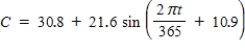
The daily consumption C (in gallons)of diesel fuel on a farm is modeled by​ <strong>The daily consumption C (in gallons)of diesel fuel on a farm is modeled by​   , ​ Where t is the time (in days),with t = 1 corresponding to January 1. What is the period of the model? ​</strong> A)31 days B)22 days C)183 days D)365 days E)30 days <div style=padding-top: 35px> , ​
Where t is the time (in days),with t = 1 corresponding to January 1.
What is the period of the model?
​

A)31 days
B)22 days
C)183 days
D)365 days
E)30 days
Question
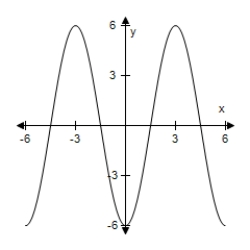
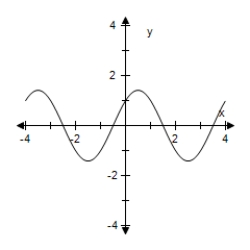
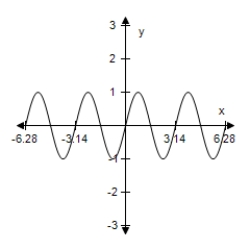
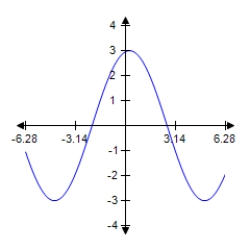
Find a,b,and c for the function f(x)= a cos (bx - c)such that the graph of f(x)matches the graph below. <strong>Find a,b,and c for the function f(x)= a cos (bx - c)such that the graph of f(x)matches the graph below.  </strong> A)a = -2;b = -1;c=   B)a = 4;b = 1;c = π C)a = 1;b = 2;c = -1 D)a = 2;b = 1;c = -π E)a = 2;b = 1;c =   π <div style=padding-top: 35px>

A)a = -2;b = -1;c= <strong>Find a,b,and c for the function f(x)= a cos (bx - c)such that the graph of f(x)matches the graph below.  </strong> A)a = -2;b = -1;c=   B)a = 4;b = 1;c = π C)a = 1;b = 2;c = -1 D)a = 2;b = 1;c = -π E)a = 2;b = 1;c =   π <div style=padding-top: 35px>
B)a = 4;b = 1;c = π
C)a = 1;b = 2;c = -1
D)a = 2;b = 1;c = -π
E)a = 2;b = 1;c = <strong>Find a,b,and c for the function f(x)= a cos (bx - c)such that the graph of f(x)matches the graph below.  </strong> A)a = -2;b = -1;c=   B)a = 4;b = 1;c = π C)a = 1;b = 2;c = -1 D)a = 2;b = 1;c = -π E)a = 2;b = 1;c =   π <div style=padding-top: 35px> π
Question
Use a graphing utility to graph the function below.Be sure to include at least two full periods. <strong>Use a graphing utility to graph the function below.Be sure to include at least two full periods.  </strong> A)   B)   C)   D)   E)   <div style=padding-top: 35px>

A) <strong>Use a graphing utility to graph the function below.Be sure to include at least two full periods.  </strong> A)   B)   C)   D)   E)   <div style=padding-top: 35px>
B) <strong>Use a graphing utility to graph the function below.Be sure to include at least two full periods.  </strong> A)   B)   C)   D)   E)   <div style=padding-top: 35px>
C) <strong>Use a graphing utility to graph the function below.Be sure to include at least two full periods.  </strong> A)   B)   C)   D)   E)   <div style=padding-top: 35px>
D) <strong>Use a graphing utility to graph the function below.Be sure to include at least two full periods.  </strong> A)   B)   C)   D)   E)   <div style=padding-top: 35px>
E) <strong>Use a graphing utility to graph the function below.Be sure to include at least two full periods.  </strong> A)   B)   C)   D)   E)   <div style=padding-top: 35px>
Question
When tuning a piano,a technician strikes a tuning fork for the A above middle C and sets up a wave motion that can be approximated by ​
Y = 0.001 sin 850πt,
​
Where t is the time (in seconds).
​
The frequency is given by f = 1 / p.What is the frequency of the note?
​

A)85 cycles/sec
B) <strong>When tuning a piano,a technician strikes a tuning fork for the A above middle C and sets up a wave motion that can be approximated by ​ Y = 0.001 sin 850πt, ​ Where t is the time (in seconds). ​ The frequency is given by f = 1 / p.What is the frequency of the note? ​</strong> A)85 cycles/sec B)   cycles/sec C)   cycles/sec D)850 cycles/sec E)425 cycles/sec <div style=padding-top: 35px> cycles/sec
C) <strong>When tuning a piano,a technician strikes a tuning fork for the A above middle C and sets up a wave motion that can be approximated by ​ Y = 0.001 sin 850πt, ​ Where t is the time (in seconds). ​ The frequency is given by f = 1 / p.What is the frequency of the note? ​</strong> A)85 cycles/sec B)   cycles/sec C)   cycles/sec D)850 cycles/sec E)425 cycles/sec <div style=padding-top: 35px> cycles/sec
D)850 cycles/sec
E)425 cycles/sec
Question
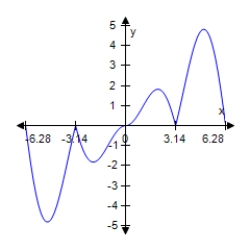
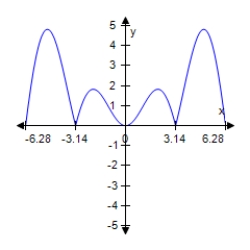
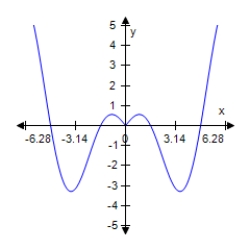
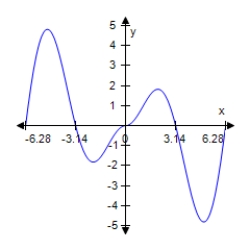
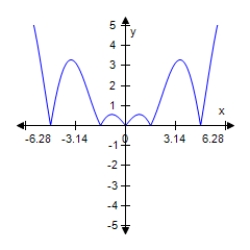
Determine which of the graphs below represents the following function y=|x|sin x
​

A) <strong>Determine which of the graphs below represents the following function y=|x|sin x ​</strong> A)   B)   C)   D)   E)   <div style=padding-top: 35px>
B) <strong>Determine which of the graphs below represents the following function y=|x|sin x ​</strong> A)   B)   C)   D)   E)   <div style=padding-top: 35px>
C) <strong>Determine which of the graphs below represents the following function y=|x|sin x ​</strong> A)   B)   C)   D)   E)   <div style=padding-top: 35px>
D) <strong>Determine which of the graphs below represents the following function y=|x|sin x ​</strong> A)   B)   C)   D)   E)   <div style=padding-top: 35px>
E) <strong>Determine which of the graphs below represents the following function y=|x|sin x ​</strong> A)   B)   C)   D)   E)   <div style=padding-top: 35px>
Question
​Sketch the graph of the function below,being sure to include at least two full periods. ​
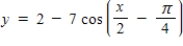
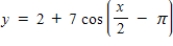
​y = 2 cos​( x - <strong>​Sketch the graph of the function below,being sure to include at least two full periods. ​ ​y = 2 cos​( x -   )​   ​</strong> A)​   B)​   C)​   D)​   E)​   <div style=padding-top: 35px> )​ <strong>​Sketch the graph of the function below,being sure to include at least two full periods. ​ ​y = 2 cos​( x -   )​   ​</strong> A)​   B)​   C)​   D)​   E)​   <div style=padding-top: 35px> ​

A)​ <strong>​Sketch the graph of the function below,being sure to include at least two full periods. ​ ​y = 2 cos​( x -   )​   ​</strong> A)​   B)​   C)​   D)​   E)​   <div style=padding-top: 35px>
B)​ <strong>​Sketch the graph of the function below,being sure to include at least two full periods. ​ ​y = 2 cos​( x -   )​   ​</strong> A)​   B)​   C)​   D)​   E)​   <div style=padding-top: 35px>
C)​ <strong>​Sketch the graph of the function below,being sure to include at least two full periods. ​ ​y = 2 cos​( x -   )​   ​</strong> A)​   B)​   C)​   D)​   E)​   <div style=padding-top: 35px>
D)​ <strong>​Sketch the graph of the function below,being sure to include at least two full periods. ​ ​y = 2 cos​( x -   )​   ​</strong> A)​   B)​   C)​   D)​   E)​   <div style=padding-top: 35px>
E)​ <strong>​Sketch the graph of the function below,being sure to include at least two full periods. ​ ​y = 2 cos​( x -   )​   ​</strong> A)​   B)​   C)​   D)​   E)​   <div style=padding-top: 35px>
Question
When tuning a piano,a technician strikes a tuning fork for the A above middle C and sets up a wave motion that can be approximated by ​
Y = 0.001 sin 880πt,
​
Where t is the time (in seconds).
​
What is the period of the function?
​

A) <strong>When tuning a piano,a technician strikes a tuning fork for the A above middle C and sets up a wave motion that can be approximated by ​ Y = 0.001 sin 880πt, ​ Where t is the time (in seconds). ​ What is the period of the function? ​</strong> A)   sec B)440 sec C)   sec D)880 sec E)88 sec <div style=padding-top: 35px> sec
B)440 sec
C) <strong>When tuning a piano,a technician strikes a tuning fork for the A above middle C and sets up a wave motion that can be approximated by ​ Y = 0.001 sin 880πt, ​ Where t is the time (in seconds). ​ What is the period of the function? ​</strong> A)   sec B)440 sec C)   sec D)880 sec E)88 sec <div style=padding-top: 35px> sec
D)880 sec
E)88 sec
Question
The daily consumption C (in gallons)of diesel fuel on a farm is modeled by​ <strong>The daily consumption C (in gallons)of diesel fuel on a farm is modeled by​   , ​ Where t is the time (in days),with t = 1 corresponding to January 1. What is the average daily fuel consumption? ​</strong> A)365 gal. B)21.6 gal. C)30 gal. D)10.2 gal. E)30.4 gal. <div style=padding-top: 35px> , ​
Where t is the time (in days),with t = 1 corresponding to January 1.
What is the average daily fuel consumption?
​

A)365 gal.
B)21.6 gal.
C)30 gal.
D)10.2 gal.
E)30.4 gal.
Question
Sketch the graph of the function below,being sure to include at least two full periods. ​
Y = - cos(x+ <strong>Sketch the graph of the function below,being sure to include at least two full periods. ​ Y = - cos(x+   )   ​</strong> A)​   B)​   C)​   D)​   E)​   <div style=padding-top: 35px> ) <strong>Sketch the graph of the function below,being sure to include at least two full periods. ​ Y = - cos(x+   )   ​</strong> A)​   B)​   C)​   D)​   E)​   <div style=padding-top: 35px> ​

A)​ <strong>Sketch the graph of the function below,being sure to include at least two full periods. ​ Y = - cos(x+   )   ​</strong> A)​   B)​   C)​   D)​   E)​   <div style=padding-top: 35px>
B)​ <strong>Sketch the graph of the function below,being sure to include at least two full periods. ​ Y = - cos(x+   )   ​</strong> A)​   B)​   C)​   D)​   E)​   <div style=padding-top: 35px>
C)​ <strong>Sketch the graph of the function below,being sure to include at least two full periods. ​ Y = - cos(x+   )   ​</strong> A)​   B)​   C)​   D)​   E)​   <div style=padding-top: 35px>
D)​ <strong>Sketch the graph of the function below,being sure to include at least two full periods. ​ Y = - cos(x+   )   ​</strong> A)​   B)​   C)​   D)​   E)​   <div style=padding-top: 35px>
E)​ <strong>Sketch the graph of the function below,being sure to include at least two full periods. ​ Y = - cos(x+   )   ​</strong> A)​   B)​   C)​   D)​   E)​   <div style=padding-top: 35px>
Question
After exercising for a few minutes,a person has a respiratory cycle for which the velocity of airflow is approximated by​ <strong>After exercising for a few minutes,a person has a respiratory cycle for which the velocity of airflow is approximated by​   , ​ Where t is the time (in seconds). (Inhalation occurs when v > 0 and exhalation occurs when v < 0. ) Select the graph of this velocity function.</strong> A)   B)   C)   D)   E)​   <div style=padding-top: 35px> , ​
Where t is the time (in seconds).
(Inhalation occurs when v > 0 and exhalation occurs when v < 0. )
Select the graph of this velocity function.

A) <strong>After exercising for a few minutes,a person has a respiratory cycle for which the velocity of airflow is approximated by​   , ​ Where t is the time (in seconds). (Inhalation occurs when v > 0 and exhalation occurs when v < 0. ) Select the graph of this velocity function.</strong> A)   B)   C)   D)   E)​   <div style=padding-top: 35px>
B) <strong>After exercising for a few minutes,a person has a respiratory cycle for which the velocity of airflow is approximated by​   , ​ Where t is the time (in seconds). (Inhalation occurs when v > 0 and exhalation occurs when v < 0. ) Select the graph of this velocity function.</strong> A)   B)   C)   D)   E)​   <div style=padding-top: 35px>
C) <strong>After exercising for a few minutes,a person has a respiratory cycle for which the velocity of airflow is approximated by​   , ​ Where t is the time (in seconds). (Inhalation occurs when v > 0 and exhalation occurs when v < 0. ) Select the graph of this velocity function.</strong> A)   B)   C)   D)   E)​   <div style=padding-top: 35px>
D) <strong>After exercising for a few minutes,a person has a respiratory cycle for which the velocity of airflow is approximated by​   , ​ Where t is the time (in seconds). (Inhalation occurs when v > 0 and exhalation occurs when v < 0. ) Select the graph of this velocity function.</strong> A)   B)   C)   D)   E)​   <div style=padding-top: 35px>
E)​ <strong>After exercising for a few minutes,a person has a respiratory cycle for which the velocity of airflow is approximated by​   , ​ Where t is the time (in seconds). (Inhalation occurs when v > 0 and exhalation occurs when v < 0. ) Select the graph of this velocity function.</strong> A)   B)   C)   D)   E)​   <div style=padding-top: 35px>
Question
​Determine the period and amplitude of the following function​ <strong>​Determine the period and amplitude of the following function​     ​</strong> A)​Period: 10   ;Amplitude: 6 B)​Period:   ;Amplitude: 3 C)​Period: 8   ;Amplitude: 4 D)​Period:   ;Amplitude: 3 E)​Period: 5   ;Amplitude: 2 <div style=padding-top: 35px> <strong>​Determine the period and amplitude of the following function​     ​</strong> A)​Period: 10   ;Amplitude: 6 B)​Period:   ;Amplitude: 3 C)​Period: 8   ;Amplitude: 4 D)​Period:   ;Amplitude: 3 E)​Period: 5   ;Amplitude: 2 <div style=padding-top: 35px> ​

A)​Period: 10 <strong>​Determine the period and amplitude of the following function​     ​</strong> A)​Period: 10   ;Amplitude: 6 B)​Period:   ;Amplitude: 3 C)​Period: 8   ;Amplitude: 4 D)​Period:   ;Amplitude: 3 E)​Period: 5   ;Amplitude: 2 <div style=padding-top: 35px> ;Amplitude: 6
B)​Period: <strong>​Determine the period and amplitude of the following function​     ​</strong> A)​Period: 10   ;Amplitude: 6 B)​Period:   ;Amplitude: 3 C)​Period: 8   ;Amplitude: 4 D)​Period:   ;Amplitude: 3 E)​Period: 5   ;Amplitude: 2 <div style=padding-top: 35px> ;Amplitude: 3
C)​Period: 8 <strong>​Determine the period and amplitude of the following function​     ​</strong> A)​Period: 10   ;Amplitude: 6 B)​Period:   ;Amplitude: 3 C)​Period: 8   ;Amplitude: 4 D)​Period:   ;Amplitude: 3 E)​Period: 5   ;Amplitude: 2 <div style=padding-top: 35px> ;Amplitude: 4
D)​Period: <strong>​Determine the period and amplitude of the following function​     ​</strong> A)​Period: 10   ;Amplitude: 6 B)​Period:   ;Amplitude: 3 C)​Period: 8   ;Amplitude: 4 D)​Period:   ;Amplitude: 3 E)​Period: 5   ;Amplitude: 2 <div style=padding-top: 35px> ;Amplitude: 3
E)​Period: 5 <strong>​Determine the period and amplitude of the following function​     ​</strong> A)​Period: 10   ;Amplitude: 6 B)​Period:   ;Amplitude: 3 C)​Period: 8   ;Amplitude: 4 D)​Period:   ;Amplitude: 3 E)​Period: 5   ;Amplitude: 2 <div style=padding-top: 35px> ;Amplitude: 2
Question
After exercising for a few minutes,a person has a respiratory cycle for which the velocity of airflow is approximated by​ <strong>After exercising for a few minutes,a person has a respiratory cycle for which the velocity of airflow is approximated by​   , where t is the time (in seconds). (Inhalation occurs when v > 0 and exhalation occurs when v < 0. ) ​ Find the time for one full respiratory cycle.​ ​</strong> A)6 sec B)2 sec C)7 sec D)3 sec E)8 sec <div style=padding-top: 35px> , where t is the time (in seconds).
(Inhalation occurs when v > 0 and exhalation occurs when v < 0. )
​
Find the time for one full respiratory cycle.​
​

A)6 sec
B)2 sec
C)7 sec
D)3 sec
E)8 sec
Question
​Determine the period and amplitude of the following function​ <strong>​Determine the period and amplitude of the following function​     ​</strong> A)​Period: 16   ;Amplitude: 10 B)​Period:   ;Amplitude: 5 C)​Period: 5   ;Amplitude: 6 D)​Period:   ;Amplitude: 5 E)​Period: 8   ;Amplitude: 4 <div style=padding-top: 35px> <strong>​Determine the period and amplitude of the following function​     ​</strong> A)​Period: 16   ;Amplitude: 10 B)​Period:   ;Amplitude: 5 C)​Period: 5   ;Amplitude: 6 D)​Period:   ;Amplitude: 5 E)​Period: 8   ;Amplitude: 4 <div style=padding-top: 35px> ​

A)​Period: 16 <strong>​Determine the period and amplitude of the following function​     ​</strong> A)​Period: 16   ;Amplitude: 10 B)​Period:   ;Amplitude: 5 C)​Period: 5   ;Amplitude: 6 D)​Period:   ;Amplitude: 5 E)​Period: 8   ;Amplitude: 4 <div style=padding-top: 35px> ;Amplitude: 10
B)​Period: <strong>​Determine the period and amplitude of the following function​     ​</strong> A)​Period: 16   ;Amplitude: 10 B)​Period:   ;Amplitude: 5 C)​Period: 5   ;Amplitude: 6 D)​Period:   ;Amplitude: 5 E)​Period: 8   ;Amplitude: 4 <div style=padding-top: 35px> ;Amplitude: 5
C)​Period: 5 <strong>​Determine the period and amplitude of the following function​     ​</strong> A)​Period: 16   ;Amplitude: 10 B)​Period:   ;Amplitude: 5 C)​Period: 5   ;Amplitude: 6 D)​Period:   ;Amplitude: 5 E)​Period: 8   ;Amplitude: 4 <div style=padding-top: 35px> ;Amplitude: 6
D)​Period: <strong>​Determine the period and amplitude of the following function​     ​</strong> A)​Period: 16   ;Amplitude: 10 B)​Period:   ;Amplitude: 5 C)​Period: 5   ;Amplitude: 6 D)​Period:   ;Amplitude: 5 E)​Period: 8   ;Amplitude: 4 <div style=padding-top: 35px> ;Amplitude: 5
E)​Period: 8 <strong>​Determine the period and amplitude of the following function​     ​</strong> A)​Period: 16   ;Amplitude: 10 B)​Period:   ;Amplitude: 5 C)​Period: 5   ;Amplitude: 6 D)​Period:   ;Amplitude: 5 E)​Period: 8   ;Amplitude: 4 <div style=padding-top: 35px> ;Amplitude: 4
Question
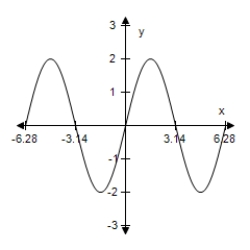
Find a and d for the function f(x)= a sin x + d such that the graph of f(x)matches the graph below. <strong>Find a and d for the function f(x)= a sin x + d such that the graph of f(x)matches the graph below.  </strong> A)a = 2;d = -1 B)a = 4;d = 1 C)a = -2;d = 1 D)a = 2;d = 2 E)a = 4;d = -3 <div style=padding-top: 35px>

A)a = 2;d = -1
B)a = 4;d = 1
C)a = -2;d = 1
D)a = 2;d = 2
E)a = 4;d = -3
Question
Use a graphing utility to graph the function below.Be sure to include at least two full periods. y = 4 sin (x - 5π)+ 1

A) <strong>Use a graphing utility to graph the function below.Be sure to include at least two full periods. y = 4 sin (x - 5π)+ 1</strong> A)   B)   ​ C)   ​ D)   ​ E)   ​ <div style=padding-top: 35px>
B) <strong>Use a graphing utility to graph the function below.Be sure to include at least two full periods. y = 4 sin (x - 5π)+ 1</strong> A)   B)   ​ C)   ​ D)   ​ E)   ​ <div style=padding-top: 35px> ​
C) <strong>Use a graphing utility to graph the function below.Be sure to include at least two full periods. y = 4 sin (x - 5π)+ 1</strong> A)   B)   ​ C)   ​ D)   ​ E)   ​ <div style=padding-top: 35px> ​
D) <strong>Use a graphing utility to graph the function below.Be sure to include at least two full periods. y = 4 sin (x - 5π)+ 1</strong> A)   B)   ​ C)   ​ D)   ​ E)   ​ <div style=padding-top: 35px> ​
E) <strong>Use a graphing utility to graph the function below.Be sure to include at least two full periods. y = 4 sin (x - 5π)+ 1</strong> A)   B)   ​ C)   ​ D)   ​ E)   ​ <div style=padding-top: 35px> ​
Unlock Deck
Sign up to unlock the cards in this deck!
Unlock Deck
Unlock Deck
1/37
auto play flashcards
Play
simple tutorial
Full screen (f)
exit full mode
Deck 27: Graphs of Sine and Cosine Functions
1
Select the graph of the function.(Include two full periods. ) ​
Y = sin 2x
​

A) <strong>Select the graph of the function.(Include two full periods. ) ​ Y = sin 2x ​</strong> A)   B)   C)   D)   E)
B) <strong>Select the graph of the function.(Include two full periods. ) ​ Y = sin 2x ​</strong> A)   B)   C)   D)   E)
C) <strong>Select the graph of the function.(Include two full periods. ) ​ Y = sin 2x ​</strong> A)   B)   C)   D)   E)
D) <strong>Select the graph of the function.(Include two full periods. ) ​ Y = sin 2x ​</strong> A)   B)   C)   D)   E)
E) <strong>Select the graph of the function.(Include two full periods. ) ​ Y = sin 2x ​</strong> A)   B)   C)   D)   E)
2
Select the graph of the function.(Include two full periods. )​ <strong>Select the graph of the function.(Include two full periods. )​   ​</strong> A)   B)​   C)   D)   E)   ​

A) <strong>Select the graph of the function.(Include two full periods. )​   ​</strong> A)   B)​   C)   D)   E)
B)​ <strong>Select the graph of the function.(Include two full periods. )​   ​</strong> A)   B)​   C)   D)   E)
C) <strong>Select the graph of the function.(Include two full periods. )​   ​</strong> A)   B)​   C)   D)   E)
D) <strong>Select the graph of the function.(Include two full periods. )​   ​</strong> A)   B)​   C)   D)   E)
E) <strong>Select the graph of the function.(Include two full periods. )​   ​</strong> A)   B)​   C)   D)   E)
3
Find the period and amplitude. ​
Y = 7 sin 40x
​

A)Period: π;Amplitude: -7
B)Period: π;Amplitude: <strong>Find the period and amplitude. ​ Y = 7 sin 40x ​</strong> A)Period: π;Amplitude: -7 B)Period: π;Amplitude:   C)Period:   ;Amplitude:   D)Period: 2π;Amplitude: 1 E)Period:   ;Amplitude: 7
C)Period: <strong>Find the period and amplitude. ​ Y = 7 sin 40x ​</strong> A)Period: π;Amplitude: -7 B)Period: π;Amplitude:   C)Period:   ;Amplitude:   D)Period: 2π;Amplitude: 1 E)Period:   ;Amplitude: 7 ;Amplitude: <strong>Find the period and amplitude. ​ Y = 7 sin 40x ​</strong> A)Period: π;Amplitude: -7 B)Period: π;Amplitude:   C)Period:   ;Amplitude:   D)Period: 2π;Amplitude: 1 E)Period:   ;Amplitude: 7
D)Period: 2π;Amplitude: 1
E)Period: <strong>Find the period and amplitude. ​ Y = 7 sin 40x ​</strong> A)Period: π;Amplitude: -7 B)Period: π;Amplitude:   C)Period:   ;Amplitude:   D)Period: 2π;Amplitude: 1 E)Period:   ;Amplitude: 7 ;Amplitude: 7
Period: Period:   ;Amplitude: 7 ;Amplitude: 7
4
Find the period and amplitude.​ <strong>Find the period and amplitude.​   ​</strong> A)Period: 2π;Amplitude: 1 B)Period:   ;Amplitude:   C)Period: π;Amplitude:   D)Period: π;Amplitude: 5 E)Period:   ;Amplitude:   ​

A)Period: 2π;Amplitude: 1
B)Period: <strong>Find the period and amplitude.​   ​</strong> A)Period: 2π;Amplitude: 1 B)Period:   ;Amplitude:   C)Period: π;Amplitude:   D)Period: π;Amplitude: 5 E)Period:   ;Amplitude:   ;Amplitude: <strong>Find the period and amplitude.​   ​</strong> A)Period: 2π;Amplitude: 1 B)Period:   ;Amplitude:   C)Period: π;Amplitude:   D)Period: π;Amplitude: 5 E)Period:   ;Amplitude:
C)Period: π;Amplitude: <strong>Find the period and amplitude.​   ​</strong> A)Period: 2π;Amplitude: 1 B)Period:   ;Amplitude:   C)Period: π;Amplitude:   D)Period: π;Amplitude: 5 E)Period:   ;Amplitude:
D)Period: π;Amplitude: 5
E)Period: <strong>Find the period and amplitude.​   ​</strong> A)Period: 2π;Amplitude: 1 B)Period:   ;Amplitude:   C)Period: π;Amplitude:   D)Period: π;Amplitude: 5 E)Period:   ;Amplitude:   ;Amplitude: <strong>Find the period and amplitude.​   ​</strong> A)Period: 2π;Amplitude: 1 B)Period:   ;Amplitude:   C)Period: π;Amplitude:   D)Period: π;Amplitude: 5 E)Period:   ;Amplitude:
Unlock Deck
Unlock for access to all 37 flashcards in this deck.
Unlock Deck
k this deck
5
Write an equation for the function that is described by the given characteristics. ​
A cosine curve with a period of π,an amplitude of 6,a left phase shift of π,and a vertical translation down <strong>Write an equation for the function that is described by the given characteristics. ​ A cosine curve with a period of π,an amplitude of 6,a left phase shift of π,and a vertical translation down   units. ​</strong> A)   B)   C)   D)   E)   units.
​

A) <strong>Write an equation for the function that is described by the given characteristics. ​ A cosine curve with a period of π,an amplitude of 6,a left phase shift of π,and a vertical translation down   units. ​</strong> A)   B)   C)   D)   E)
B) <strong>Write an equation for the function that is described by the given characteristics. ​ A cosine curve with a period of π,an amplitude of 6,a left phase shift of π,and a vertical translation down   units. ​</strong> A)   B)   C)   D)   E)
C) <strong>Write an equation for the function that is described by the given characteristics. ​ A cosine curve with a period of π,an amplitude of 6,a left phase shift of π,and a vertical translation down   units. ​</strong> A)   B)   C)   D)   E)
D) <strong>Write an equation for the function that is described by the given characteristics. ​ A cosine curve with a period of π,an amplitude of 6,a left phase shift of π,and a vertical translation down   units. ​</strong> A)   B)   C)   D)   E)
E) <strong>Write an equation for the function that is described by the given characteristics. ​ A cosine curve with a period of π,an amplitude of 6,a left phase shift of π,and a vertical translation down   units. ​</strong> A)   B)   C)   D)   E)
Unlock Deck
Unlock for access to all 37 flashcards in this deck.
Unlock Deck
k this deck
6
Find the period and amplitude.​ <strong>Find the period and amplitude.​   ​</strong> A)Period: 1;Amplitude:   B)Period: π;Amplitude:   C)Period: 2π;Amplitude: 1 D)Period:   ;Amplitude:   E)Period: π;Amplitude: 5 ​

A)Period: 1;Amplitude: <strong>Find the period and amplitude.​   ​</strong> A)Period: 1;Amplitude:   B)Period: π;Amplitude:   C)Period: 2π;Amplitude: 1 D)Period:   ;Amplitude:   E)Period: π;Amplitude: 5
B)Period: π;Amplitude: <strong>Find the period and amplitude.​   ​</strong> A)Period: 1;Amplitude:   B)Period: π;Amplitude:   C)Period: 2π;Amplitude: 1 D)Period:   ;Amplitude:   E)Period: π;Amplitude: 5
C)Period: 2π;Amplitude: 1
D)Period: <strong>Find the period and amplitude.​   ​</strong> A)Period: 1;Amplitude:   B)Period: π;Amplitude:   C)Period: 2π;Amplitude: 1 D)Period:   ;Amplitude:   E)Period: π;Amplitude: 5 ;Amplitude: <strong>Find the period and amplitude.​   ​</strong> A)Period: 1;Amplitude:   B)Period: π;Amplitude:   C)Period: 2π;Amplitude: 1 D)Period:   ;Amplitude:   E)Period: π;Amplitude: 5
E)Period: π;Amplitude: 5
Unlock Deck
Unlock for access to all 37 flashcards in this deck.
Unlock Deck
k this deck
7
For a person at rest,the velocity v (in liters per second)of airflow during a respiratory cycle (the time from the beginning of one breath to the beginning of the next)is given by​ <strong>For a person at rest,the velocity v (in liters per second)of airflow during a respiratory cycle (the time from the beginning of one breath to the beginning of the next)is given by​   , ​ Where t is the time (in seconds). (Inhalation occurs when v > 0 and exhalation occurs when v < 0. ) ​ Find the number of cycles per minute. ​</strong> A)14 cycles/min B)11 cycles/min C)10 cycles/min D)15 cycles/min E)12 cycles/min , ​
Where t is the time (in seconds).
(Inhalation occurs when v > 0 and exhalation occurs when v < 0. )
​
Find the number of cycles per minute.
​

A)14 cycles/min
B)11 cycles/min
C)10 cycles/min
D)15 cycles/min
E)12 cycles/min
Unlock Deck
Unlock for access to all 37 flashcards in this deck.
Unlock Deck
k this deck
8
Use a graphing utility to select the graph of the function.Include two full periods.​ <strong>Use a graphing utility to select the graph of the function.Include two full periods.​   ​</strong> A)​   B)   C)   D)   E)   ​

A)​ <strong>Use a graphing utility to select the graph of the function.Include two full periods.​   ​</strong> A)​   B)   C)   D)   E)
B) <strong>Use a graphing utility to select the graph of the function.Include two full periods.​   ​</strong> A)​   B)   C)   D)   E)
C) <strong>Use a graphing utility to select the graph of the function.Include two full periods.​   ​</strong> A)​   B)   C)   D)   E)
D) <strong>Use a graphing utility to select the graph of the function.Include two full periods.​   ​</strong> A)​   B)   C)   D)   E)
E) <strong>Use a graphing utility to select the graph of the function.Include two full periods.​   ​</strong> A)​   B)   C)   D)   E)
Unlock Deck
Unlock for access to all 37 flashcards in this deck.
Unlock Deck
k this deck
9
Find the period and amplitude. ​
Y = -7 sin x
​

A)Period: π;Amplitude: -7
B)Period: π;Amplitude: <strong>Find the period and amplitude. ​ Y = -7 sin x ​</strong> A)Period: π;Amplitude: -7 B)Period: π;Amplitude:   C)Period: 2π;Amplitude: 7 D)Period: 2π;Amplitude:   E)Period: 2π;Amplitude: 1
C)Period: 2π;Amplitude: 7
D)Period: 2π;Amplitude: <strong>Find the period and amplitude. ​ Y = -7 sin x ​</strong> A)Period: π;Amplitude: -7 B)Period: π;Amplitude:   C)Period: 2π;Amplitude: 7 D)Period: 2π;Amplitude:   E)Period: 2π;Amplitude: 1
E)Period: 2π;Amplitude: 1
Unlock Deck
Unlock for access to all 37 flashcards in this deck.
Unlock Deck
k this deck
10
Select the graph of the function.(Include two full periods. )​ <strong>Select the graph of the function.(Include two full periods. )​   ​</strong> A)   B)   C)   D)   E)   ​

A) <strong>Select the graph of the function.(Include two full periods. )​   ​</strong> A)   B)   C)   D)   E)
B) <strong>Select the graph of the function.(Include two full periods. )​   ​</strong> A)   B)   C)   D)   E)
C) <strong>Select the graph of the function.(Include two full periods. )​   ​</strong> A)   B)   C)   D)   E)
D) <strong>Select the graph of the function.(Include two full periods. )​   ​</strong> A)   B)   C)   D)   E)
E) <strong>Select the graph of the function.(Include two full periods. )​   ​</strong> A)   B)   C)   D)   E)
Unlock Deck
Unlock for access to all 37 flashcards in this deck.
Unlock Deck
k this deck
11
Select the graph of the function.(Include two full periods. )​ <strong>Select the graph of the function.(Include two full periods. )​   ​</strong> A)   B)   C)   D)   E)   ​

A) <strong>Select the graph of the function.(Include two full periods. )​   ​</strong> A)   B)   C)   D)   E)
B) <strong>Select the graph of the function.(Include two full periods. )​   ​</strong> A)   B)   C)   D)   E)
C) <strong>Select the graph of the function.(Include two full periods. )​   ​</strong> A)   B)   C)   D)   E)
D) <strong>Select the graph of the function.(Include two full periods. )​   ​</strong> A)   B)   C)   D)   E)
E) <strong>Select the graph of the function.(Include two full periods. )​   ​</strong> A)   B)   C)   D)   E)
Unlock Deck
Unlock for access to all 37 flashcards in this deck.
Unlock Deck
k this deck
12
For a person at rest,the velocity v (in liters per second)of airflow during a respiratory cycle (the time from the beginning of one breath to the beginning of the next)is given by​ <strong>For a person at rest,the velocity v (in liters per second)of airflow during a respiratory cycle (the time from the beginning of one breath to the beginning of the next)is given by​   , ​ Where t is the time (in seconds). (Inhalation occurs when v > 0,and exhalation occurs when v < 0. ) ​ Find the time for one full respiratory cycle. ​</strong> A)7 sec B)9 sec C)3 sec D)8 sec E)6 sec , ​
Where t is the time (in seconds).
(Inhalation occurs when v > 0,and exhalation occurs when v < 0. )
​
Find the time for one full respiratory cycle.
​

A)7 sec
B)9 sec
C)3 sec
D)8 sec
E)6 sec
Unlock Deck
Unlock for access to all 37 flashcards in this deck.
Unlock Deck
k this deck
13
For a person at rest,the velocity v (in liters per second)of airflow during a respiratory cycle (the time from the beginning of one breath to the beginning of the next)is given by​ <strong>For a person at rest,the velocity v (in liters per second)of airflow during a respiratory cycle (the time from the beginning of one breath to the beginning of the next)is given by​   , ​ Where t is the time (in seconds). (Inhalation occurs when v > 0 and exhalation occurs when v < 0. ) Select the graph of this velocity function. ​</strong> A)   B)   C)   D)   E)   , ​
Where t is the time (in seconds).
(Inhalation occurs when v > 0 and exhalation occurs when v < 0. )
Select the graph of this velocity function.
​

A) <strong>For a person at rest,the velocity v (in liters per second)of airflow during a respiratory cycle (the time from the beginning of one breath to the beginning of the next)is given by​   , ​ Where t is the time (in seconds). (Inhalation occurs when v > 0 and exhalation occurs when v < 0. ) Select the graph of this velocity function. ​</strong> A)   B)   C)   D)   E)
B) <strong>For a person at rest,the velocity v (in liters per second)of airflow during a respiratory cycle (the time from the beginning of one breath to the beginning of the next)is given by​   , ​ Where t is the time (in seconds). (Inhalation occurs when v > 0 and exhalation occurs when v < 0. ) Select the graph of this velocity function. ​</strong> A)   B)   C)   D)   E)
C) <strong>For a person at rest,the velocity v (in liters per second)of airflow during a respiratory cycle (the time from the beginning of one breath to the beginning of the next)is given by​   , ​ Where t is the time (in seconds). (Inhalation occurs when v > 0 and exhalation occurs when v < 0. ) Select the graph of this velocity function. ​</strong> A)   B)   C)   D)   E)
D) <strong>For a person at rest,the velocity v (in liters per second)of airflow during a respiratory cycle (the time from the beginning of one breath to the beginning of the next)is given by​   , ​ Where t is the time (in seconds). (Inhalation occurs when v > 0 and exhalation occurs when v < 0. ) Select the graph of this velocity function. ​</strong> A)   B)   C)   D)   E)
E) <strong>For a person at rest,the velocity v (in liters per second)of airflow during a respiratory cycle (the time from the beginning of one breath to the beginning of the next)is given by​   , ​ Where t is the time (in seconds). (Inhalation occurs when v > 0 and exhalation occurs when v < 0. ) Select the graph of this velocity function. ​</strong> A)   B)   C)   D)   E)
Unlock Deck
Unlock for access to all 37 flashcards in this deck.
Unlock Deck
k this deck
14
Use a graphing utility to select the graph of the function.Include two full periods. ​
Y = -2 sin (2x + π)
​

A) <strong>Use a graphing utility to select the graph of the function.Include two full periods. ​ Y = -2 sin (2x + π) ​</strong> A)   B)   C)   D)   E)
B) <strong>Use a graphing utility to select the graph of the function.Include two full periods. ​ Y = -2 sin (2x + π) ​</strong> A)   B)   C)   D)   E)
C) <strong>Use a graphing utility to select the graph of the function.Include two full periods. ​ Y = -2 sin (2x + π) ​</strong> A)   B)   C)   D)   E)
D) <strong>Use a graphing utility to select the graph of the function.Include two full periods. ​ Y = -2 sin (2x + π) ​</strong> A)   B)   C)   D)   E)
E) <strong>Use a graphing utility to select the graph of the function.Include two full periods. ​ Y = -2 sin (2x + π) ​</strong> A)   B)   C)   D)   E)
Unlock Deck
Unlock for access to all 37 flashcards in this deck.
Unlock Deck
k this deck
15
Use a graphing utility to select the graph of the function.Include two full periods. <strong>Use a graphing utility to select the graph of the function.Include two full periods.   ​</strong> A)   B)   C)​   D)   E)   ​

A) <strong>Use a graphing utility to select the graph of the function.Include two full periods.   ​</strong> A)   B)   C)​   D)   E)
B) <strong>Use a graphing utility to select the graph of the function.Include two full periods.   ​</strong> A)   B)   C)​   D)   E)
C)​ <strong>Use a graphing utility to select the graph of the function.Include two full periods.   ​</strong> A)   B)   C)​   D)   E)
D) <strong>Use a graphing utility to select the graph of the function.Include two full periods.   ​</strong> A)   B)   C)​   D)   E)
E) <strong>Use a graphing utility to select the graph of the function.Include two full periods.   ​</strong> A)   B)   C)​   D)   E)
Unlock Deck
Unlock for access to all 37 flashcards in this deck.
Unlock Deck
k this deck
16
Select the graph of the function.(Include two full periods. )​ <strong>Select the graph of the function.(Include two full periods. )​   ​</strong> A)   B)   C)   D)   E)   ​

A) <strong>Select the graph of the function.(Include two full periods. )​   ​</strong> A)   B)   C)   D)   E)
B) <strong>Select the graph of the function.(Include two full periods. )​   ​</strong> A)   B)   C)   D)   E)
C) <strong>Select the graph of the function.(Include two full periods. )​   ​</strong> A)   B)   C)   D)   E)
D) <strong>Select the graph of the function.(Include two full periods. )​   ​</strong> A)   B)   C)   D)   E)
E) <strong>Select the graph of the function.(Include two full periods. )​   ​</strong> A)   B)   C)   D)   E)
Unlock Deck
Unlock for access to all 37 flashcards in this deck.
Unlock Deck
k this deck
17
Write an equation for the function that is described by the given characteristics. ​
A sine curve with a period of π,an amplitude of 4,a right phase shift of <strong>Write an equation for the function that is described by the given characteristics. ​ A sine curve with a period of π,an amplitude of 4,a right phase shift of   ,and a vertical translation up 7 units. ​</strong> A)y = 10 + 4 sin (2x + π) B)y = 7 + 4 sin (2x - π) C)​y = 9 - 4 sin (2x + π) D)y = 8 + 4 sin (- 2x - π) E)y = 11 + 7 sin (2x - π) ,and a vertical translation up 7 units.
​

A)y = 10 + 4 sin (2x + π)
B)y = 7 + 4 sin (2x - π)
C)​y = 9 - 4 sin (2x + π)
D)y = 8 + 4 sin (- 2x - π)
E)y = 11 + 7 sin (2x - π)
Unlock Deck
Unlock for access to all 37 flashcards in this deck.
Unlock Deck
k this deck
18
Write an equation for the function that is described by the given characteristics. ​
A sine curve with a period of 4π,an amplitude of 4,a left phase shift of <strong>Write an equation for the function that is described by the given characteristics. ​ A sine curve with a period of 4π,an amplitude of 4,a left phase shift of   ,and a vertical translation down 5 units. ​</strong> A)   B)   C)   D)   E)   ,and a vertical translation down 5 units.
​

A) <strong>Write an equation for the function that is described by the given characteristics. ​ A sine curve with a period of 4π,an amplitude of 4,a left phase shift of   ,and a vertical translation down 5 units. ​</strong> A)   B)   C)   D)   E)
B) <strong>Write an equation for the function that is described by the given characteristics. ​ A sine curve with a period of 4π,an amplitude of 4,a left phase shift of   ,and a vertical translation down 5 units. ​</strong> A)   B)   C)   D)   E)
C) <strong>Write an equation for the function that is described by the given characteristics. ​ A sine curve with a period of 4π,an amplitude of 4,a left phase shift of   ,and a vertical translation down 5 units. ​</strong> A)   B)   C)   D)   E)
D) <strong>Write an equation for the function that is described by the given characteristics. ​ A sine curve with a period of 4π,an amplitude of 4,a left phase shift of   ,and a vertical translation down 5 units. ​</strong> A)   B)   C)   D)   E)
E) <strong>Write an equation for the function that is described by the given characteristics. ​ A sine curve with a period of 4π,an amplitude of 4,a left phase shift of   ,and a vertical translation down 5 units. ​</strong> A)   B)   C)   D)   E)
Unlock Deck
Unlock for access to all 37 flashcards in this deck.
Unlock Deck
k this deck
19
Write an equation for the function that is described by the given characteristics. ​
A cosine curve with a period of 4π,an amplitude of 7,a right phase shift of <strong>Write an equation for the function that is described by the given characteristics. ​ A cosine curve with a period of 4π,an amplitude of 7,a right phase shift of   ,and a vertical translation up 2 units. ​</strong> A)   B)   C)   D)   E)   ,and a vertical translation up 2 units.
​

A) <strong>Write an equation for the function that is described by the given characteristics. ​ A cosine curve with a period of 4π,an amplitude of 7,a right phase shift of   ,and a vertical translation up 2 units. ​</strong> A)   B)   C)   D)   E)
B) <strong>Write an equation for the function that is described by the given characteristics. ​ A cosine curve with a period of 4π,an amplitude of 7,a right phase shift of   ,and a vertical translation up 2 units. ​</strong> A)   B)   C)   D)   E)
C) <strong>Write an equation for the function that is described by the given characteristics. ​ A cosine curve with a period of 4π,an amplitude of 7,a right phase shift of   ,and a vertical translation up 2 units. ​</strong> A)   B)   C)   D)   E)
D) <strong>Write an equation for the function that is described by the given characteristics. ​ A cosine curve with a period of 4π,an amplitude of 7,a right phase shift of   ,and a vertical translation up 2 units. ​</strong> A)   B)   C)   D)   E)
E) <strong>Write an equation for the function that is described by the given characteristics. ​ A cosine curve with a period of 4π,an amplitude of 7,a right phase shift of   ,and a vertical translation up 2 units. ​</strong> A)   B)   C)   D)   E)
Unlock Deck
Unlock for access to all 37 flashcards in this deck.
Unlock Deck
k this deck
20
Select the graph of the function.(Include two full periods. )​ <strong>Select the graph of the function.(Include two full periods. )​   ​</strong> A)   B)   C)   D)   E)   ​

A) <strong>Select the graph of the function.(Include two full periods. )​   ​</strong> A)   B)   C)   D)   E)
B) <strong>Select the graph of the function.(Include two full periods. )​   ​</strong> A)   B)   C)   D)   E)
C) <strong>Select the graph of the function.(Include two full periods. )​   ​</strong> A)   B)   C)   D)   E)
D) <strong>Select the graph of the function.(Include two full periods. )​   ​</strong> A)   B)   C)   D)   E)
E) <strong>Select the graph of the function.(Include two full periods. )​   ​</strong> A)   B)   C)   D)   E)
Unlock Deck
Unlock for access to all 37 flashcards in this deck.
Unlock Deck
k this deck
21
The daily consumption C (in gallons)of diesel fuel on a farm is modeled by​ <strong>The daily consumption C (in gallons)of diesel fuel on a farm is modeled by​   , ​ Where t is the time (in days),with t = 1 corresponding to January 1. Use a graphing utility to select the graph of the model. ​</strong> A)   B)   C)   D)   E)   , ​
Where t is the time (in days),with t = 1 corresponding to January 1.
Use a graphing utility to select the graph of the model.
​

A) <strong>The daily consumption C (in gallons)of diesel fuel on a farm is modeled by​   , ​ Where t is the time (in days),with t = 1 corresponding to January 1. Use a graphing utility to select the graph of the model. ​</strong> A)   B)   C)   D)   E)
B) <strong>The daily consumption C (in gallons)of diesel fuel on a farm is modeled by​   , ​ Where t is the time (in days),with t = 1 corresponding to January 1. Use a graphing utility to select the graph of the model. ​</strong> A)   B)   C)   D)   E)
C) <strong>The daily consumption C (in gallons)of diesel fuel on a farm is modeled by​   , ​ Where t is the time (in days),with t = 1 corresponding to January 1. Use a graphing utility to select the graph of the model. ​</strong> A)   B)   C)   D)   E)
D) <strong>The daily consumption C (in gallons)of diesel fuel on a farm is modeled by​   , ​ Where t is the time (in days),with t = 1 corresponding to January 1. Use a graphing utility to select the graph of the model. ​</strong> A)   B)   C)   D)   E)
E) <strong>The daily consumption C (in gallons)of diesel fuel on a farm is modeled by​   , ​ Where t is the time (in days),with t = 1 corresponding to January 1. Use a graphing utility to select the graph of the model. ​</strong> A)   B)   C)   D)   E)
Unlock Deck
Unlock for access to all 37 flashcards in this deck.
Unlock Deck
k this deck
22
After exercising for a few minutes,a person has a respiratory cycle for which the velocity of airflow is approximated by​ <strong>After exercising for a few minutes,a person has a respiratory cycle for which the velocity of airflow is approximated by​   , ​ Where t is the time (in seconds). (Inhalation occurs when v > 0 and exhalation occurs when v < 0. ) ​ Find the number of cycles per minute. ​</strong> A)12 cycles/min B)10 cycles/min C)15 cycles/min D)13 cycles/min E)11 cycles/min , ​
Where t is the time (in seconds).
(Inhalation occurs when v > 0 and exhalation occurs when v < 0. )
​
Find the number of cycles per minute.
​

A)12 cycles/min
B)10 cycles/min
C)15 cycles/min
D)13 cycles/min
E)11 cycles/min
Unlock Deck
Unlock for access to all 37 flashcards in this deck.
Unlock Deck
k this deck
23
The daily consumption C (in gallons)of diesel fuel on a farm is modeled by​ <strong>The daily consumption C (in gallons)of diesel fuel on a farm is modeled by​   , ​ Where t is the time (in days),with t = 1 corresponding to January 1. What is the period of the model? ​</strong> A)31 days B)22 days C)183 days D)365 days E)30 days , ​
Where t is the time (in days),with t = 1 corresponding to January 1.
What is the period of the model?
​

A)31 days
B)22 days
C)183 days
D)365 days
E)30 days
Unlock Deck
Unlock for access to all 37 flashcards in this deck.
Unlock Deck
k this deck
24
Find a,b,and c for the function f(x)= a cos (bx - c)such that the graph of f(x)matches the graph below. <strong>Find a,b,and c for the function f(x)= a cos (bx - c)such that the graph of f(x)matches the graph below.  </strong> A)a = -2;b = -1;c=   B)a = 4;b = 1;c = π C)a = 1;b = 2;c = -1 D)a = 2;b = 1;c = -π E)a = 2;b = 1;c =   π

A)a = -2;b = -1;c= <strong>Find a,b,and c for the function f(x)= a cos (bx - c)such that the graph of f(x)matches the graph below.  </strong> A)a = -2;b = -1;c=   B)a = 4;b = 1;c = π C)a = 1;b = 2;c = -1 D)a = 2;b = 1;c = -π E)a = 2;b = 1;c =   π
B)a = 4;b = 1;c = π
C)a = 1;b = 2;c = -1
D)a = 2;b = 1;c = -π
E)a = 2;b = 1;c = <strong>Find a,b,and c for the function f(x)= a cos (bx - c)such that the graph of f(x)matches the graph below.  </strong> A)a = -2;b = -1;c=   B)a = 4;b = 1;c = π C)a = 1;b = 2;c = -1 D)a = 2;b = 1;c = -π E)a = 2;b = 1;c =   π π
Unlock Deck
Unlock for access to all 37 flashcards in this deck.
Unlock Deck
k this deck
25
Use a graphing utility to graph the function below.Be sure to include at least two full periods. <strong>Use a graphing utility to graph the function below.Be sure to include at least two full periods.  </strong> A)   B)   C)   D)   E)

A) <strong>Use a graphing utility to graph the function below.Be sure to include at least two full periods.  </strong> A)   B)   C)   D)   E)
B) <strong>Use a graphing utility to graph the function below.Be sure to include at least two full periods.  </strong> A)   B)   C)   D)   E)
C) <strong>Use a graphing utility to graph the function below.Be sure to include at least two full periods.  </strong> A)   B)   C)   D)   E)
D) <strong>Use a graphing utility to graph the function below.Be sure to include at least two full periods.  </strong> A)   B)   C)   D)   E)
E) <strong>Use a graphing utility to graph the function below.Be sure to include at least two full periods.  </strong> A)   B)   C)   D)   E)
Unlock Deck
Unlock for access to all 37 flashcards in this deck.
Unlock Deck
k this deck
26
When tuning a piano,a technician strikes a tuning fork for the A above middle C and sets up a wave motion that can be approximated by ​
Y = 0.001 sin 850πt,
​
Where t is the time (in seconds).
​
The frequency is given by f = 1 / p.What is the frequency of the note?
​

A)85 cycles/sec
B) <strong>When tuning a piano,a technician strikes a tuning fork for the A above middle C and sets up a wave motion that can be approximated by ​ Y = 0.001 sin 850πt, ​ Where t is the time (in seconds). ​ The frequency is given by f = 1 / p.What is the frequency of the note? ​</strong> A)85 cycles/sec B)   cycles/sec C)   cycles/sec D)850 cycles/sec E)425 cycles/sec cycles/sec
C) <strong>When tuning a piano,a technician strikes a tuning fork for the A above middle C and sets up a wave motion that can be approximated by ​ Y = 0.001 sin 850πt, ​ Where t is the time (in seconds). ​ The frequency is given by f = 1 / p.What is the frequency of the note? ​</strong> A)85 cycles/sec B)   cycles/sec C)   cycles/sec D)850 cycles/sec E)425 cycles/sec cycles/sec
D)850 cycles/sec
E)425 cycles/sec
Unlock Deck
Unlock for access to all 37 flashcards in this deck.
Unlock Deck
k this deck
27
Determine which of the graphs below represents the following function y=|x|sin x
​

A) <strong>Determine which of the graphs below represents the following function y=|x|sin x ​</strong> A)   B)   C)   D)   E)
B) <strong>Determine which of the graphs below represents the following function y=|x|sin x ​</strong> A)   B)   C)   D)   E)
C) <strong>Determine which of the graphs below represents the following function y=|x|sin x ​</strong> A)   B)   C)   D)   E)
D) <strong>Determine which of the graphs below represents the following function y=|x|sin x ​</strong> A)   B)   C)   D)   E)
E) <strong>Determine which of the graphs below represents the following function y=|x|sin x ​</strong> A)   B)   C)   D)   E)
Unlock Deck
Unlock for access to all 37 flashcards in this deck.
Unlock Deck
k this deck
28
​Sketch the graph of the function below,being sure to include at least two full periods. ​
​y = 2 cos​( x - <strong>​Sketch the graph of the function below,being sure to include at least two full periods. ​ ​y = 2 cos​( x -   )​   ​</strong> A)​   B)​   C)​   D)​   E)​   )​ <strong>​Sketch the graph of the function below,being sure to include at least two full periods. ​ ​y = 2 cos​( x -   )​   ​</strong> A)​   B)​   C)​   D)​   E)​   ​

A)​ <strong>​Sketch the graph of the function below,being sure to include at least two full periods. ​ ​y = 2 cos​( x -   )​   ​</strong> A)​   B)​   C)​   D)​   E)​
B)​ <strong>​Sketch the graph of the function below,being sure to include at least two full periods. ​ ​y = 2 cos​( x -   )​   ​</strong> A)​   B)​   C)​   D)​   E)​
C)​ <strong>​Sketch the graph of the function below,being sure to include at least two full periods. ​ ​y = 2 cos​( x -   )​   ​</strong> A)​   B)​   C)​   D)​   E)​
D)​ <strong>​Sketch the graph of the function below,being sure to include at least two full periods. ​ ​y = 2 cos​( x -   )​   ​</strong> A)​   B)​   C)​   D)​   E)​
E)​ <strong>​Sketch the graph of the function below,being sure to include at least two full periods. ​ ​y = 2 cos​( x -   )​   ​</strong> A)​   B)​   C)​   D)​   E)​
Unlock Deck
Unlock for access to all 37 flashcards in this deck.
Unlock Deck
k this deck
29
When tuning a piano,a technician strikes a tuning fork for the A above middle C and sets up a wave motion that can be approximated by ​
Y = 0.001 sin 880πt,
​
Where t is the time (in seconds).
​
What is the period of the function?
​

A) <strong>When tuning a piano,a technician strikes a tuning fork for the A above middle C and sets up a wave motion that can be approximated by ​ Y = 0.001 sin 880πt, ​ Where t is the time (in seconds). ​ What is the period of the function? ​</strong> A)   sec B)440 sec C)   sec D)880 sec E)88 sec sec
B)440 sec
C) <strong>When tuning a piano,a technician strikes a tuning fork for the A above middle C and sets up a wave motion that can be approximated by ​ Y = 0.001 sin 880πt, ​ Where t is the time (in seconds). ​ What is the period of the function? ​</strong> A)   sec B)440 sec C)   sec D)880 sec E)88 sec sec
D)880 sec
E)88 sec
Unlock Deck
Unlock for access to all 37 flashcards in this deck.
Unlock Deck
k this deck
30
The daily consumption C (in gallons)of diesel fuel on a farm is modeled by​ <strong>The daily consumption C (in gallons)of diesel fuel on a farm is modeled by​   , ​ Where t is the time (in days),with t = 1 corresponding to January 1. What is the average daily fuel consumption? ​</strong> A)365 gal. B)21.6 gal. C)30 gal. D)10.2 gal. E)30.4 gal. , ​
Where t is the time (in days),with t = 1 corresponding to January 1.
What is the average daily fuel consumption?
​

A)365 gal.
B)21.6 gal.
C)30 gal.
D)10.2 gal.
E)30.4 gal.
Unlock Deck
Unlock for access to all 37 flashcards in this deck.
Unlock Deck
k this deck
31
Sketch the graph of the function below,being sure to include at least two full periods. ​
Y = - cos(x+ <strong>Sketch the graph of the function below,being sure to include at least two full periods. ​ Y = - cos(x+   )   ​</strong> A)​   B)​   C)​   D)​   E)​   ) <strong>Sketch the graph of the function below,being sure to include at least two full periods. ​ Y = - cos(x+   )   ​</strong> A)​   B)​   C)​   D)​   E)​   ​

A)​ <strong>Sketch the graph of the function below,being sure to include at least two full periods. ​ Y = - cos(x+   )   ​</strong> A)​   B)​   C)​   D)​   E)​
B)​ <strong>Sketch the graph of the function below,being sure to include at least two full periods. ​ Y = - cos(x+   )   ​</strong> A)​   B)​   C)​   D)​   E)​
C)​ <strong>Sketch the graph of the function below,being sure to include at least two full periods. ​ Y = - cos(x+   )   ​</strong> A)​   B)​   C)​   D)​   E)​
D)​ <strong>Sketch the graph of the function below,being sure to include at least two full periods. ​ Y = - cos(x+   )   ​</strong> A)​   B)​   C)​   D)​   E)​
E)​ <strong>Sketch the graph of the function below,being sure to include at least two full periods. ​ Y = - cos(x+   )   ​</strong> A)​   B)​   C)​   D)​   E)​
Unlock Deck
Unlock for access to all 37 flashcards in this deck.
Unlock Deck
k this deck
32
After exercising for a few minutes,a person has a respiratory cycle for which the velocity of airflow is approximated by​ <strong>After exercising for a few minutes,a person has a respiratory cycle for which the velocity of airflow is approximated by​   , ​ Where t is the time (in seconds). (Inhalation occurs when v > 0 and exhalation occurs when v < 0. ) Select the graph of this velocity function.</strong> A)   B)   C)   D)   E)​   , ​
Where t is the time (in seconds).
(Inhalation occurs when v > 0 and exhalation occurs when v < 0. )
Select the graph of this velocity function.

A) <strong>After exercising for a few minutes,a person has a respiratory cycle for which the velocity of airflow is approximated by​   , ​ Where t is the time (in seconds). (Inhalation occurs when v > 0 and exhalation occurs when v < 0. ) Select the graph of this velocity function.</strong> A)   B)   C)   D)   E)​
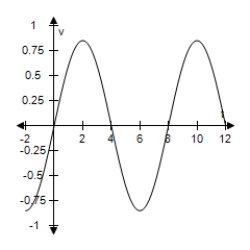
B) <strong>After exercising for a few minutes,a person has a respiratory cycle for which the velocity of airflow is approximated by​   , ​ Where t is the time (in seconds). (Inhalation occurs when v > 0 and exhalation occurs when v < 0. ) Select the graph of this velocity function.</strong> A)   B)   C)   D)   E)​
C) <strong>After exercising for a few minutes,a person has a respiratory cycle for which the velocity of airflow is approximated by​   , ​ Where t is the time (in seconds). (Inhalation occurs when v > 0 and exhalation occurs when v < 0. ) Select the graph of this velocity function.</strong> A)   B)   C)   D)   E)​
D) <strong>After exercising for a few minutes,a person has a respiratory cycle for which the velocity of airflow is approximated by​   , ​ Where t is the time (in seconds). (Inhalation occurs when v > 0 and exhalation occurs when v < 0. ) Select the graph of this velocity function.</strong> A)   B)   C)   D)   E)​
E)​ <strong>After exercising for a few minutes,a person has a respiratory cycle for which the velocity of airflow is approximated by​   , ​ Where t is the time (in seconds). (Inhalation occurs when v > 0 and exhalation occurs when v < 0. ) Select the graph of this velocity function.</strong> A)   B)   C)   D)   E)​
Unlock Deck
Unlock for access to all 37 flashcards in this deck.
Unlock Deck
k this deck
33
​Determine the period and amplitude of the following function​ <strong>​Determine the period and amplitude of the following function​     ​</strong> A)​Period: 10   ;Amplitude: 6 B)​Period:   ;Amplitude: 3 C)​Period: 8   ;Amplitude: 4 D)​Period:   ;Amplitude: 3 E)​Period: 5   ;Amplitude: 2 <strong>​Determine the period and amplitude of the following function​     ​</strong> A)​Period: 10   ;Amplitude: 6 B)​Period:   ;Amplitude: 3 C)​Period: 8   ;Amplitude: 4 D)​Period:   ;Amplitude: 3 E)​Period: 5   ;Amplitude: 2 ​

A)​Period: 10 <strong>​Determine the period and amplitude of the following function​     ​</strong> A)​Period: 10   ;Amplitude: 6 B)​Period:   ;Amplitude: 3 C)​Period: 8   ;Amplitude: 4 D)​Period:   ;Amplitude: 3 E)​Period: 5   ;Amplitude: 2 ;Amplitude: 6
B)​Period: <strong>​Determine the period and amplitude of the following function​     ​</strong> A)​Period: 10   ;Amplitude: 6 B)​Period:   ;Amplitude: 3 C)​Period: 8   ;Amplitude: 4 D)​Period:   ;Amplitude: 3 E)​Period: 5   ;Amplitude: 2 ;Amplitude: 3
C)​Period: 8 <strong>​Determine the period and amplitude of the following function​     ​</strong> A)​Period: 10   ;Amplitude: 6 B)​Period:   ;Amplitude: 3 C)​Period: 8   ;Amplitude: 4 D)​Period:   ;Amplitude: 3 E)​Period: 5   ;Amplitude: 2 ;Amplitude: 4
D)​Period: <strong>​Determine the period and amplitude of the following function​     ​</strong> A)​Period: 10   ;Amplitude: 6 B)​Period:   ;Amplitude: 3 C)​Period: 8   ;Amplitude: 4 D)​Period:   ;Amplitude: 3 E)​Period: 5   ;Amplitude: 2 ;Amplitude: 3
E)​Period: 5 <strong>​Determine the period and amplitude of the following function​     ​</strong> A)​Period: 10   ;Amplitude: 6 B)​Period:   ;Amplitude: 3 C)​Period: 8   ;Amplitude: 4 D)​Period:   ;Amplitude: 3 E)​Period: 5   ;Amplitude: 2 ;Amplitude: 2
Unlock Deck
Unlock for access to all 37 flashcards in this deck.
Unlock Deck
k this deck
34
After exercising for a few minutes,a person has a respiratory cycle for which the velocity of airflow is approximated by​ <strong>After exercising for a few minutes,a person has a respiratory cycle for which the velocity of airflow is approximated by​   , where t is the time (in seconds). (Inhalation occurs when v > 0 and exhalation occurs when v < 0. ) ​ Find the time for one full respiratory cycle.​ ​</strong> A)6 sec B)2 sec C)7 sec D)3 sec E)8 sec , where t is the time (in seconds).
(Inhalation occurs when v > 0 and exhalation occurs when v < 0. )
​
Find the time for one full respiratory cycle.​
​

A)6 sec
B)2 sec
C)7 sec
D)3 sec
E)8 sec
Unlock Deck
Unlock for access to all 37 flashcards in this deck.
Unlock Deck
k this deck
35
​Determine the period and amplitude of the following function​ <strong>​Determine the period and amplitude of the following function​     ​</strong> A)​Period: 16   ;Amplitude: 10 B)​Period:   ;Amplitude: 5 C)​Period: 5   ;Amplitude: 6 D)​Period:   ;Amplitude: 5 E)​Period: 8   ;Amplitude: 4 <strong>​Determine the period and amplitude of the following function​     ​</strong> A)​Period: 16   ;Amplitude: 10 B)​Period:   ;Amplitude: 5 C)​Period: 5   ;Amplitude: 6 D)​Period:   ;Amplitude: 5 E)​Period: 8   ;Amplitude: 4 ​

A)​Period: 16 <strong>​Determine the period and amplitude of the following function​     ​</strong> A)​Period: 16   ;Amplitude: 10 B)​Period:   ;Amplitude: 5 C)​Period: 5   ;Amplitude: 6 D)​Period:   ;Amplitude: 5 E)​Period: 8   ;Amplitude: 4 ;Amplitude: 10
B)​Period: <strong>​Determine the period and amplitude of the following function​     ​</strong> A)​Period: 16   ;Amplitude: 10 B)​Period:   ;Amplitude: 5 C)​Period: 5   ;Amplitude: 6 D)​Period:   ;Amplitude: 5 E)​Period: 8   ;Amplitude: 4 ;Amplitude: 5
C)​Period: 5 <strong>​Determine the period and amplitude of the following function​     ​</strong> A)​Period: 16   ;Amplitude: 10 B)​Period:   ;Amplitude: 5 C)​Period: 5   ;Amplitude: 6 D)​Period:   ;Amplitude: 5 E)​Period: 8   ;Amplitude: 4 ;Amplitude: 6
D)​Period: <strong>​Determine the period and amplitude of the following function​     ​</strong> A)​Period: 16   ;Amplitude: 10 B)​Period:   ;Amplitude: 5 C)​Period: 5   ;Amplitude: 6 D)​Period:   ;Amplitude: 5 E)​Period: 8   ;Amplitude: 4 ;Amplitude: 5
E)​Period: 8 <strong>​Determine the period and amplitude of the following function​     ​</strong> A)​Period: 16   ;Amplitude: 10 B)​Period:   ;Amplitude: 5 C)​Period: 5   ;Amplitude: 6 D)​Period:   ;Amplitude: 5 E)​Period: 8   ;Amplitude: 4 ;Amplitude: 4
Unlock Deck
Unlock for access to all 37 flashcards in this deck.
Unlock Deck
k this deck
36
Find a and d for the function f(x)= a sin x + d such that the graph of f(x)matches the graph below. <strong>Find a and d for the function f(x)= a sin x + d such that the graph of f(x)matches the graph below.  </strong> A)a = 2;d = -1 B)a = 4;d = 1 C)a = -2;d = 1 D)a = 2;d = 2 E)a = 4;d = -3
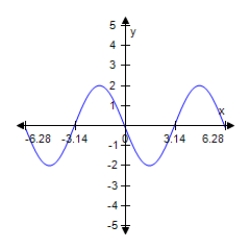
A)a = 2;d = -1
B)a = 4;d = 1
C)a = -2;d = 1
D)a = 2;d = 2
E)a = 4;d = -3
Unlock Deck
Unlock for access to all 37 flashcards in this deck.
Unlock Deck
k this deck
37
Use a graphing utility to graph the function below.Be sure to include at least two full periods. y = 4 sin (x - 5π)+ 1
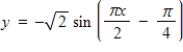
A) <strong>Use a graphing utility to graph the function below.Be sure to include at least two full periods. y = 4 sin (x - 5π)+ 1</strong> A)   B)   ​ C)   ​ D)   ​ E)   ​
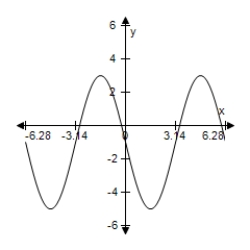
B) <strong>Use a graphing utility to graph the function below.Be sure to include at least two full periods. y = 4 sin (x - 5π)+ 1</strong> A)   B)   ​ C)   ​ D)   ​ E)   ​ ​
C) <strong>Use a graphing utility to graph the function below.Be sure to include at least two full periods. y = 4 sin (x - 5π)+ 1</strong> A)   B)   ​ C)   ​ D)   ​ E)   ​ ​
D) <strong>Use a graphing utility to graph the function below.Be sure to include at least two full periods. y = 4 sin (x - 5π)+ 1</strong> A)   B)   ​ C)   ​ D)   ​ E)   ​ ​
E) <strong>Use a graphing utility to graph the function below.Be sure to include at least two full periods. y = 4 sin (x - 5π)+ 1</strong> A)   B)   ​ C)   ​ D)   ​ E)   ​ ​
Unlock Deck
Unlock for access to all 37 flashcards in this deck.
Unlock Deck
k this deck
locked card icon
Unlock Deck
Unlock for access to all 37 flashcards in this deck.