menu-iconExamlexExamLexServices

Discover

Ask a Question
  1. All Topics
  2. Topic
    Chemistry
  3. Study Set
    Chemistry for Today General Organic
  4. Exam
    Exam 14: Aldehydes and Ketones
  5. Question
    An Unknown Compound Undergoes No Change Under Oxidizing Conditions but Reacts
Solved

An Unknown Compound Undergoes No Change Under Oxidizing Conditions but Reacts

Question 36

Question 36

Multiple Choice

An unknown compound undergoes no change under oxidizing conditions but reacts readily with hydrogen in the presence of a Pt catalyst.Which of the following might be this unknown compound?


A)
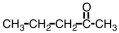
An unknown compound undergoes no change under oxidizing conditions but reacts readily with hydrogen in the presence of a Pt catalyst.Which of the following might be this unknown compound? A)    B)    C)    D)
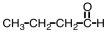


B)
An unknown compound undergoes no change under oxidizing conditions but reacts readily with hydrogen in the presence of a Pt catalyst.Which of the following might be this unknown compound? A)    B)    C)    D)
C)
An unknown compound undergoes no change under oxidizing conditions but reacts readily with hydrogen in the presence of a Pt catalyst.Which of the following might be this unknown compound? A)    B)    C)    D)
D)
An unknown compound undergoes no change under oxidizing conditions but reacts readily with hydrogen in the presence of a Pt catalyst.Which of the following might be this unknown compound? A)    B)    C)    D)

Correct Answer:

verifed

Verified

Unlock this answer now
Get Access to more Verified Answers free of charge

Related Questions

Q32: The IUPAC name of the following compound

Q35: Which of the following is used as

Q40: What is the organic product when a

Q62: Which of the following substances can be

Q63: Formaldehyde is a _ at room temperature.<br>A)gas<br>B)liquid<br>C)solid<br>D)unknown

Q67: Which of the following is the substance

Q71: Ketosis, which can result from dieting, causes

Q80: The name 4,5-dichlorocyclohexanone should be<br>A)1,2-dichlorocyclohexanone.<br>B)2,3-dichlorocyclohexanone.<br>C)3,4-dichlorocyclohexanone.<br>D)4,5-dichlorocyclohexanone.

Q87: What is the reason for norethynodrel's ability

Q92: Which reaction requires platinum as a catalyst?<br>A)oxidation

Examlex

ExamLex

About UsContact UsPerks CenterHomeschoolingTest Prep

Work With Us

Campus RepresentativeInfluencers

Links

FaqPricingChrome Extension

Download The App

Get App StoreGet Google Play

Policies

Privacy PolicyTerms of ServiceHonor CodeCommunity Guidelines

Scan To Download

qr-code

Copyright © (2026) ExamLex LLC.

Privacy PolicyTerms Of ServiceHonor CodeCommunity Guidelines